Came all the way from Hong Kong/Toronto to work and live in the arctic circle! Ask me any question in the comment section! Fb page: https://m.facebook.com/nptonp
Seal skin sewing workshop
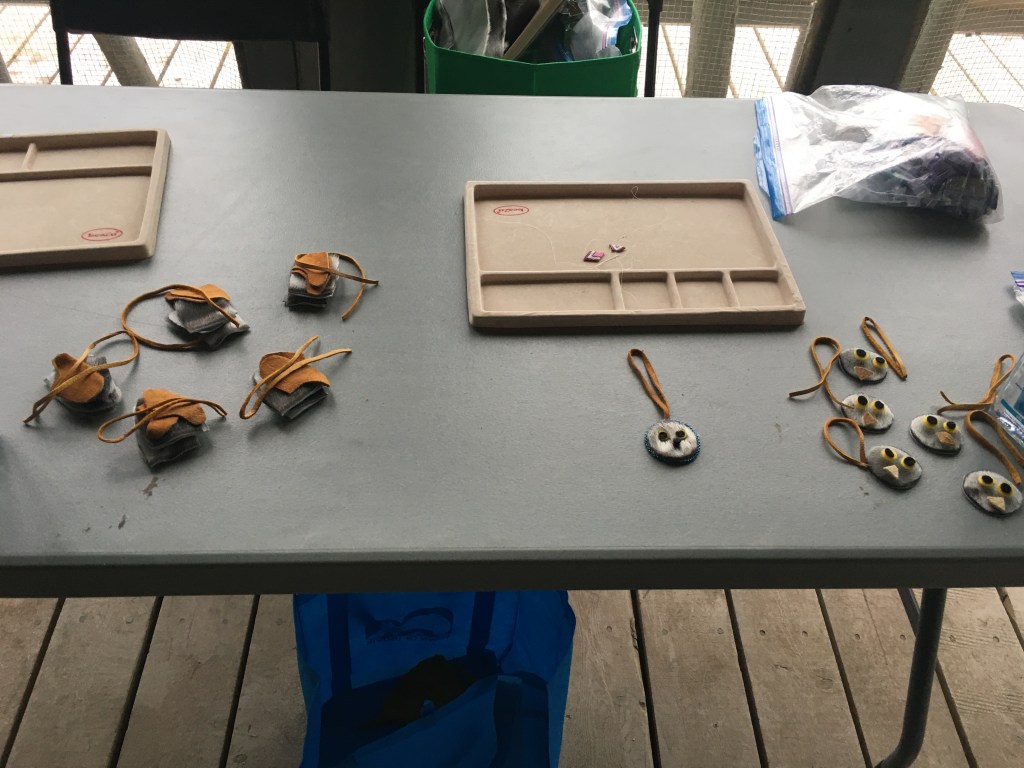
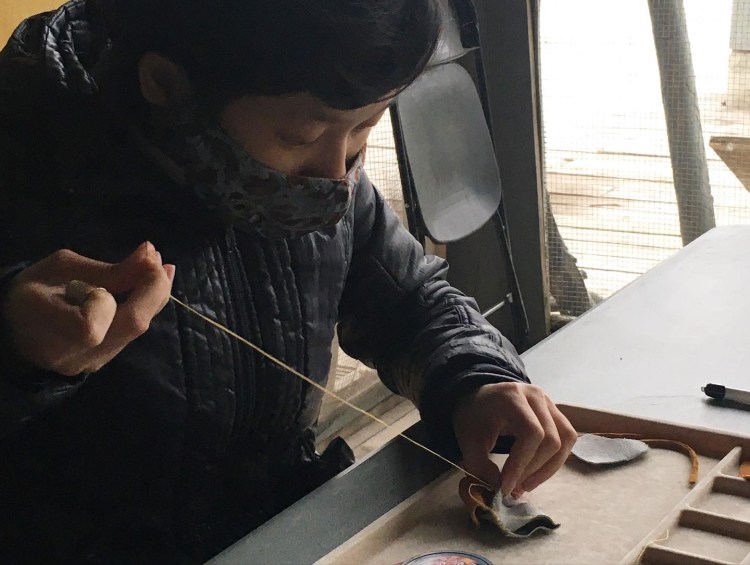
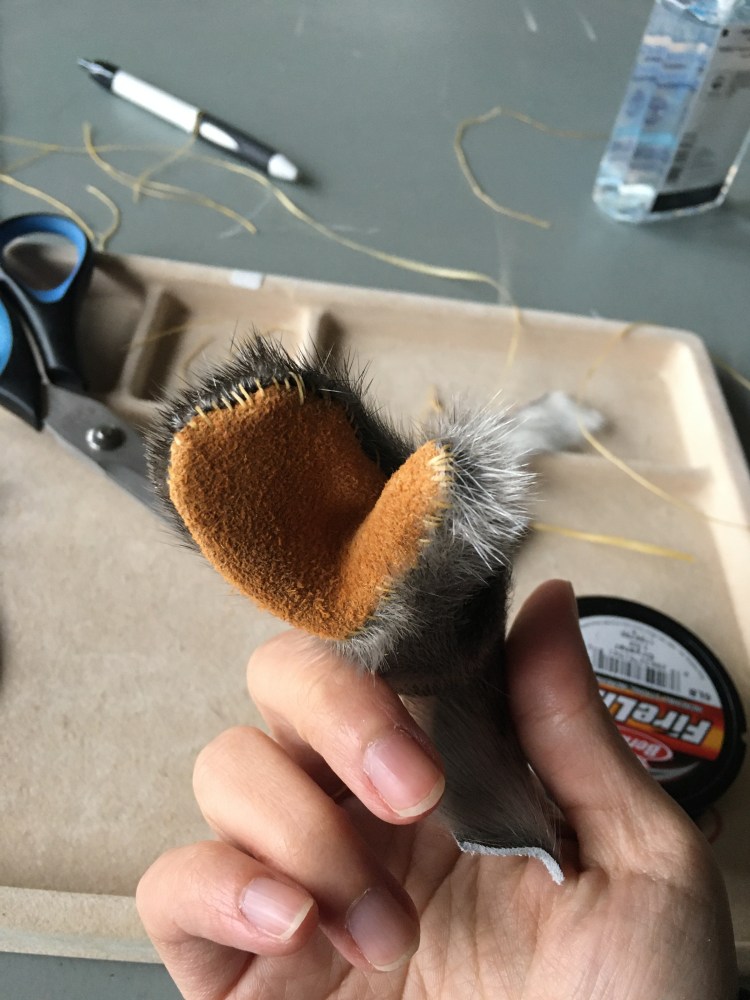
As we entered phase 2 of the pandemic control, Inuvik’s community activities are gradually emerging safely. Today we went to a Covid-safe seal skin sewing workshop instructed by a craft master, Alice Kimiksama. Alice is from Ulukhaktok (high arctic) and has been living in Inuvik for a decade. She is currently an Inuvialuitun language teacher.
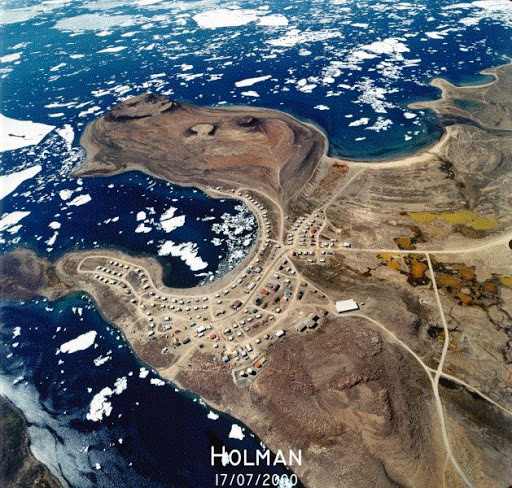
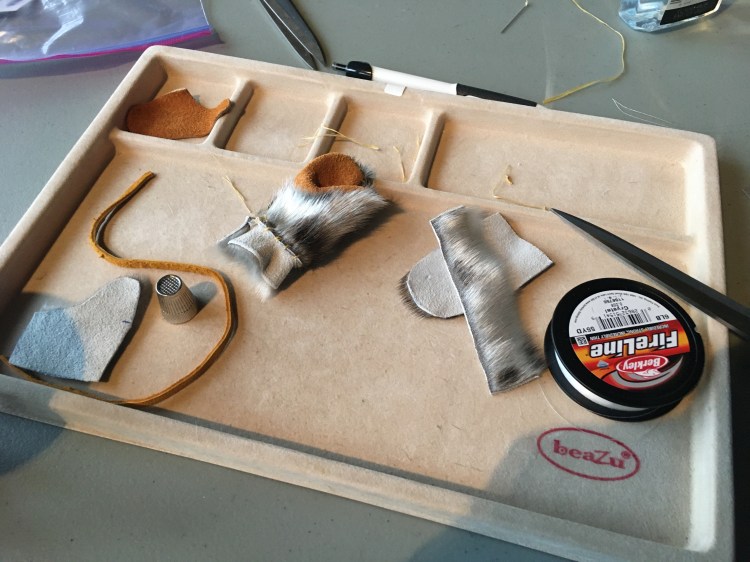
She said she has been using the same ulu (traditional knife) to cut furs since she first learned sewing. Alice was an encouraging and gentle instructor that made me enjoy sewing even it was my nightmare in middle school.
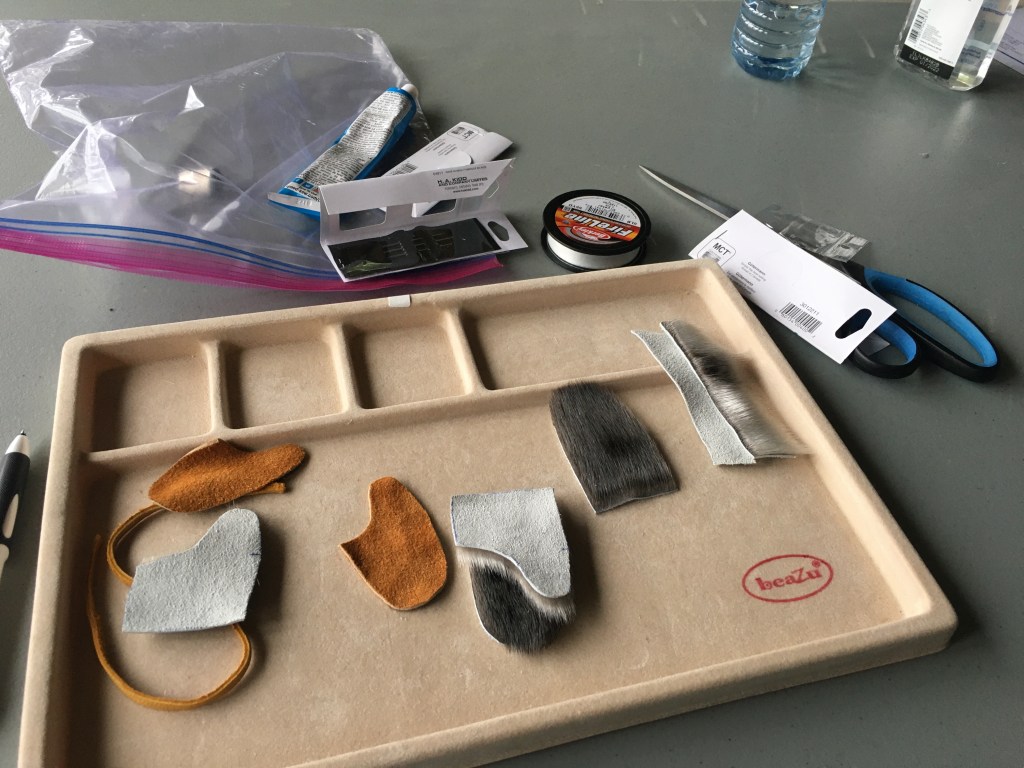
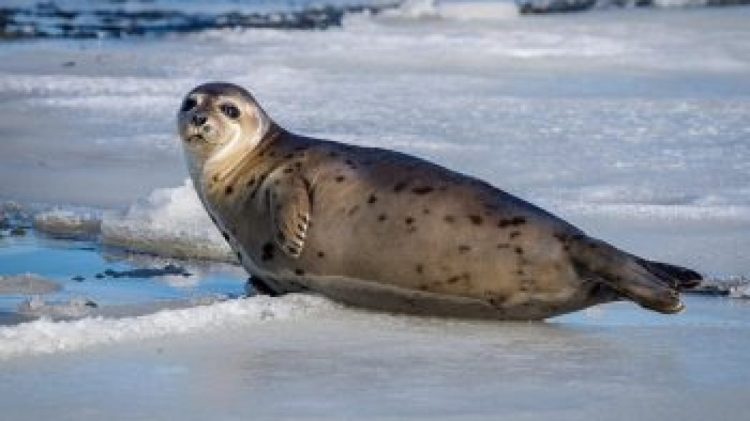
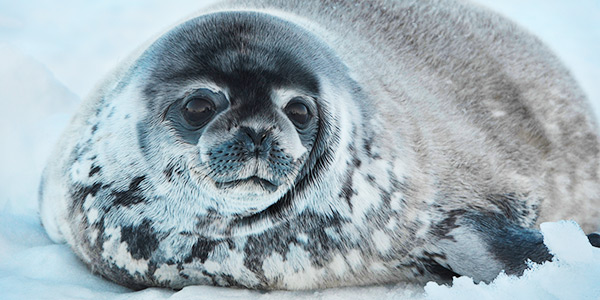
Alice told us the seals we get here in Inuvik are harp seals. Their skin is thinner and tougher. The seals in high arctic are ringed seals (netsik), which should be easier to work with.
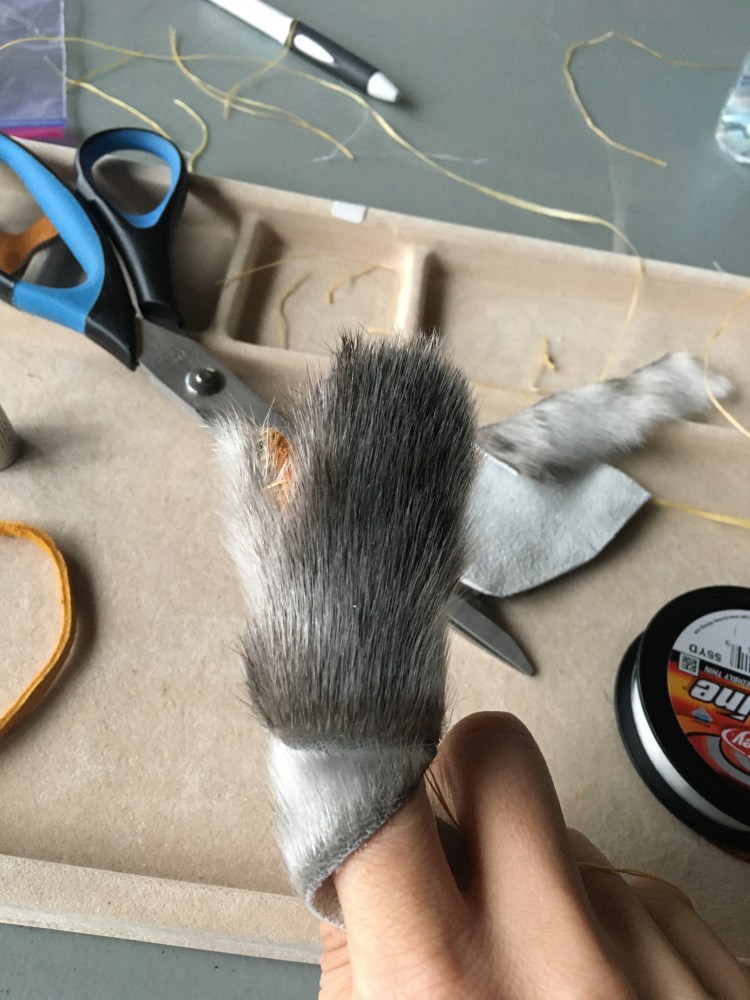
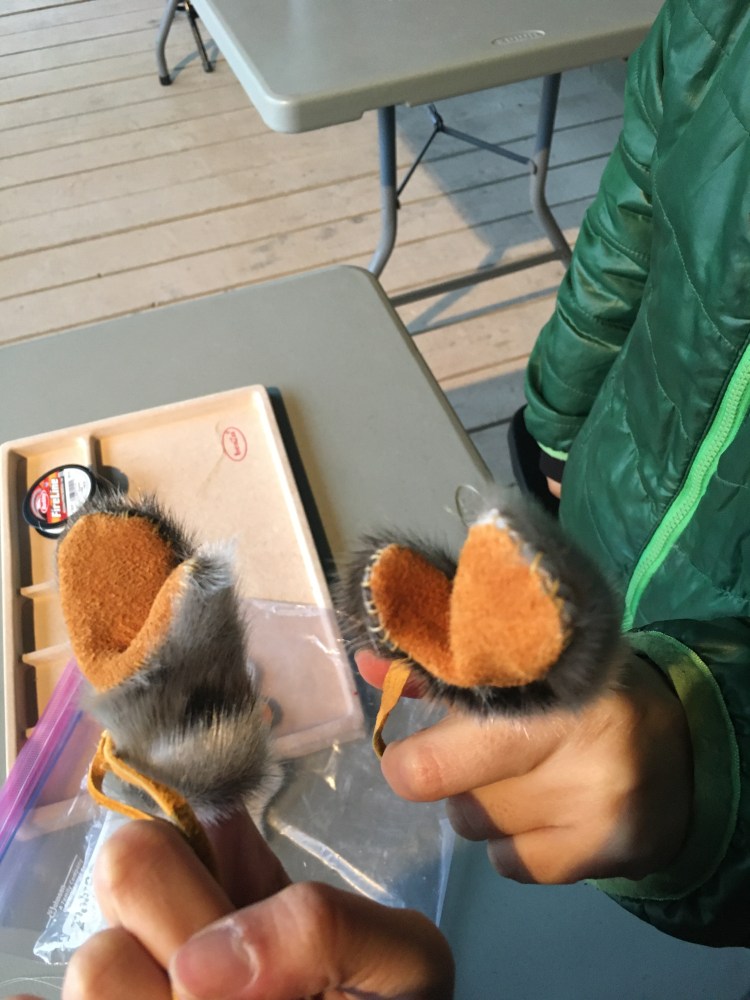
It took me an hour to finish one mini mitten and I am quite sure wind could sneak in the glove… but it’s super cute!
It sounds like next week is cloud berry picking time. Alice told us we can harvest them near tuk highway. Hopefully we can experience that!
Arctic Legend -Little People
On our way to Tuktoyatuk my colleague Phoebe told us about an arctic legend that has been circulating in the high arctic communities – the “Little People” (Ircinrraaqq). Locals living in the high arctic claim to see these ‘Little People’ out on the land. Everyone described their size differently. Some said they are so small can fit on one’s hand. They were described to have dark skin, dark hair and dark eyes, and they are very good hunters. They are very shy and often hide from humans.
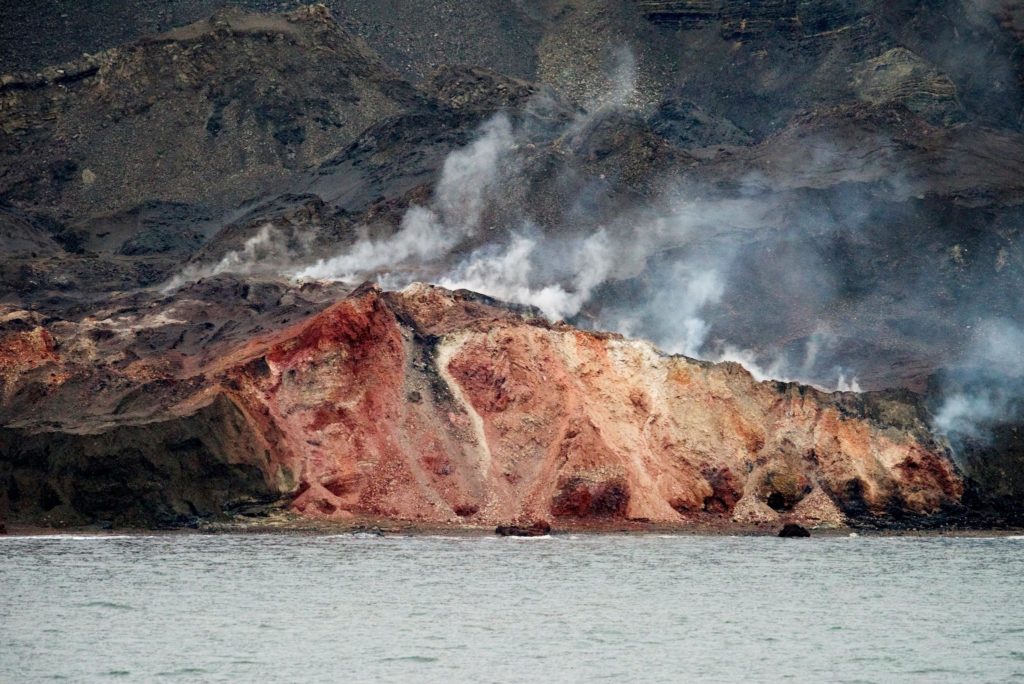
Some claimed they live on the Smoking Hills (hills in the arctic that constantly emitt smokes of sulphur dioxide) so no one can go near them.
Some people said the “Little People” will help guide lost people or even let them stay at their place overnight. But some people said they are bad and will steal children from home… I guess just like anything in this world, there are the bad and the good ones! Phoebe said one of the locals spot a black dot on a google satellite image of the smoking hills and claimed that is a“Little People”… I would love to see one!
Trip to the arctic ocean – Tuktoyatuk
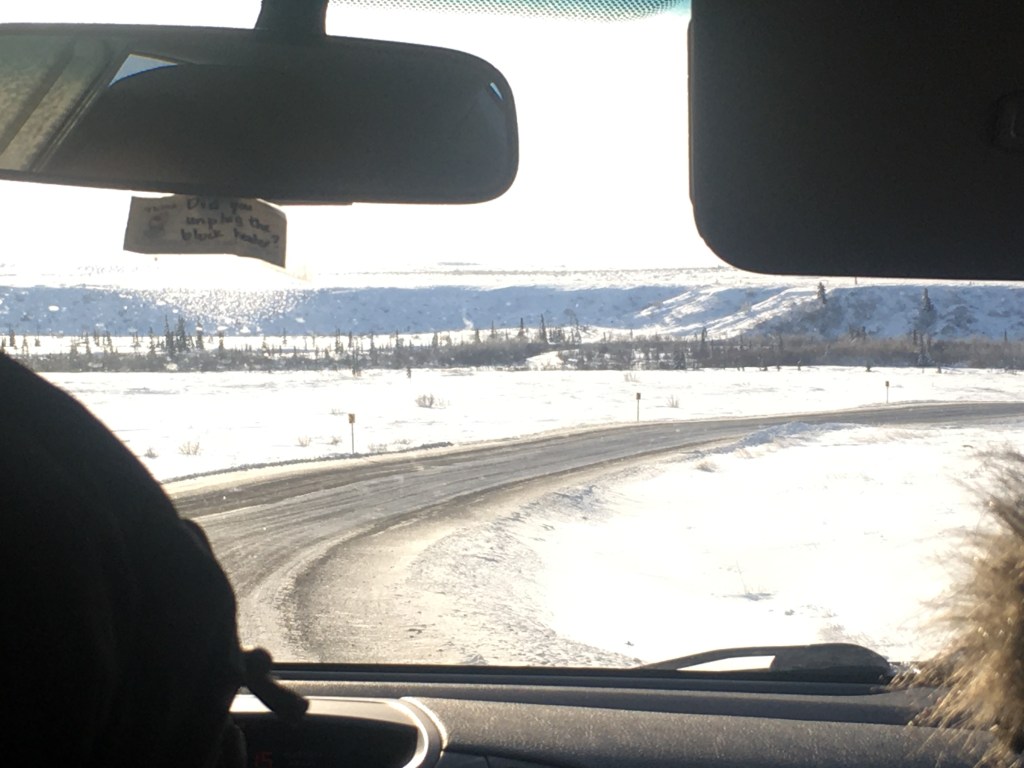
On Saturday my colleague invited us to go for a short day trip to visit a town by the Arctic Ocean – Tuktoyatuk. Tuk is the furthest north one can drive to in Canada. It is a three hour drive from Inuvik to Tuk. Because Tuk is so far north, the trees could not grow after passing a certain latitude. However, there were still some very short and cute baby trees on the way to Tuk. Another famous unique natural formation you can see in Tuk is called the pingo. Pingos are small hills made with permafrost. It was originally a lake before the ice age, but because of the cold the water turned to ice and became a hill.
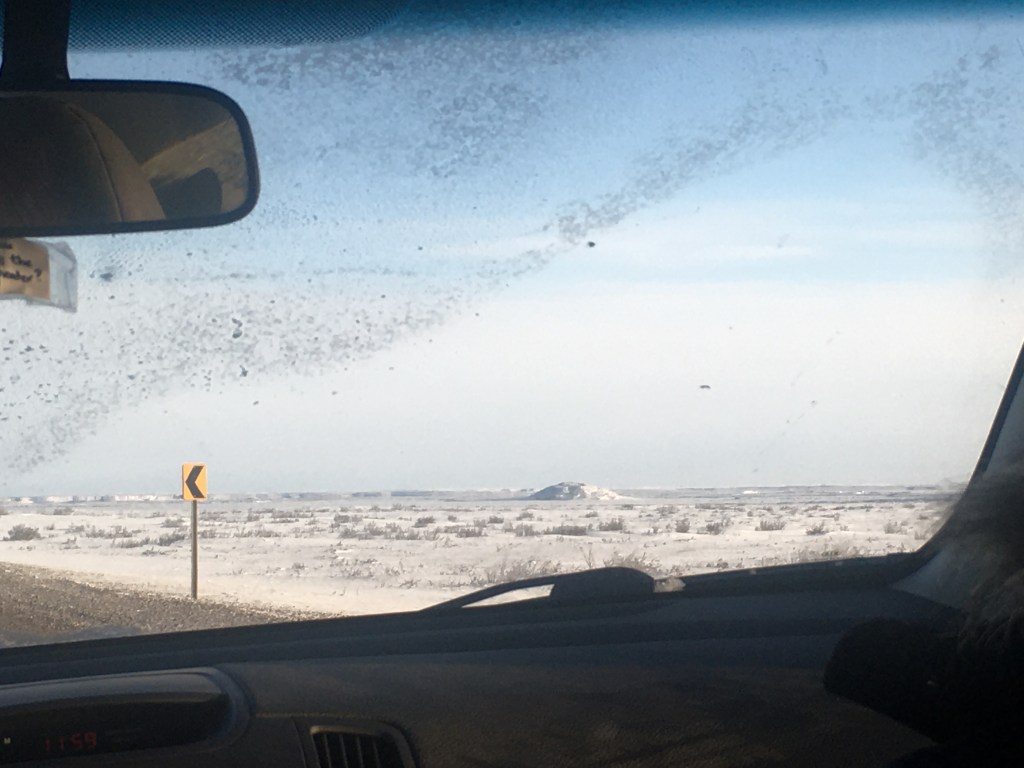
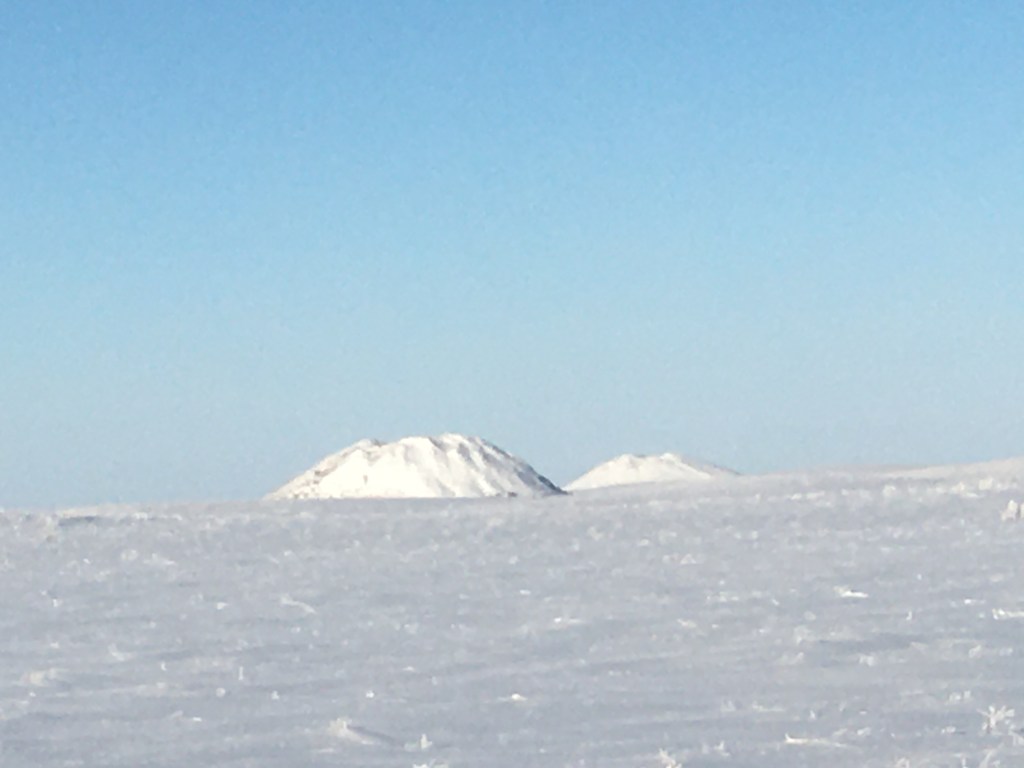
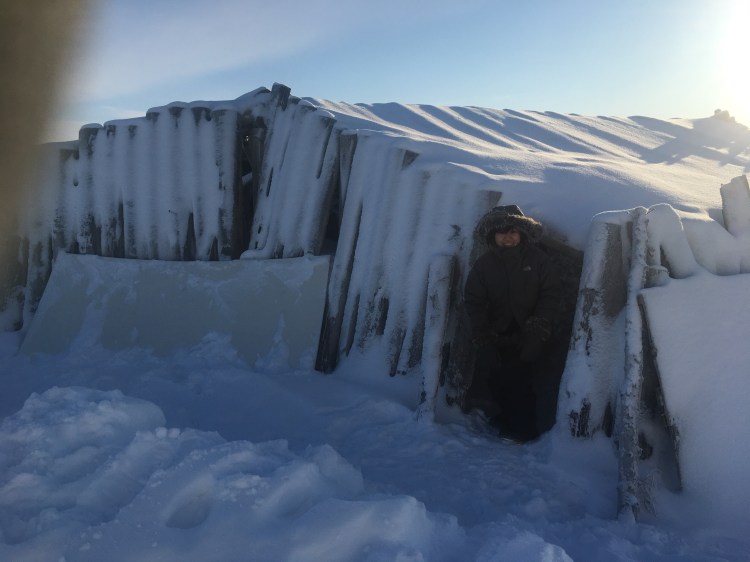
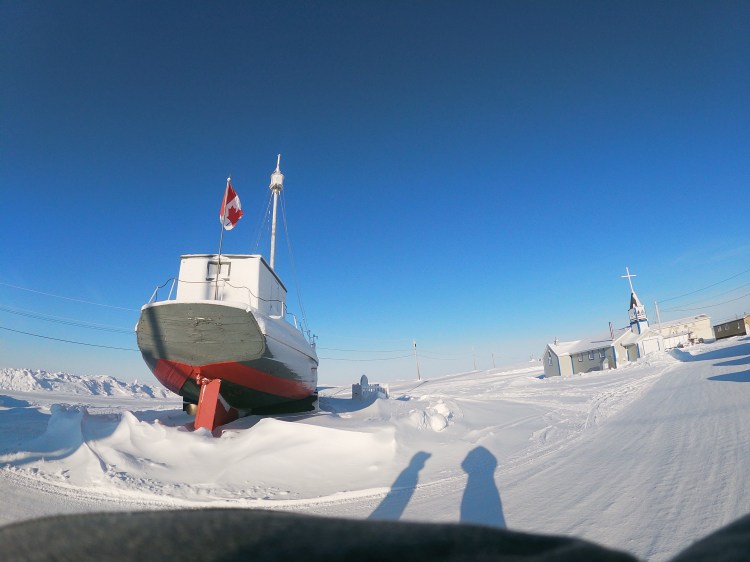
There were some churches, ships and traditional houses around town. In the summer, there will be tourists coming up to see the arctic ocean. Luckily it’s pretty quiet now.
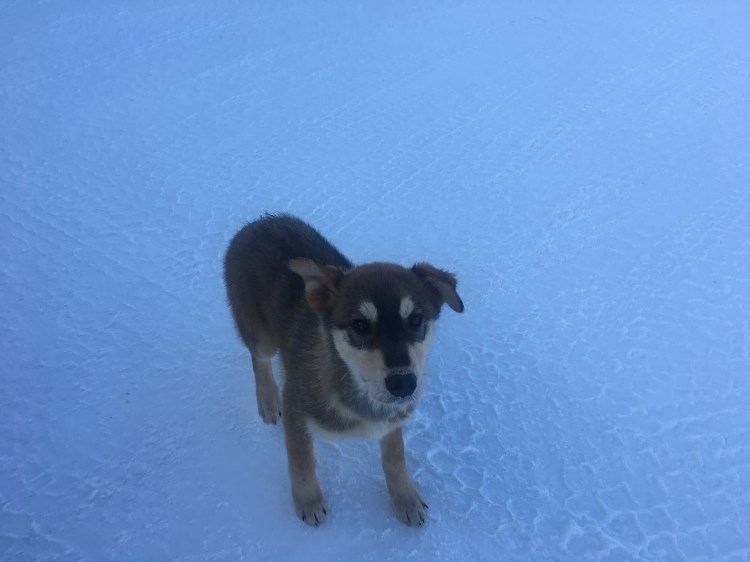
There were some unchained husky puppies chasing after us when we were off the car. I was a bit concerned but they were pretty cute and harmless.
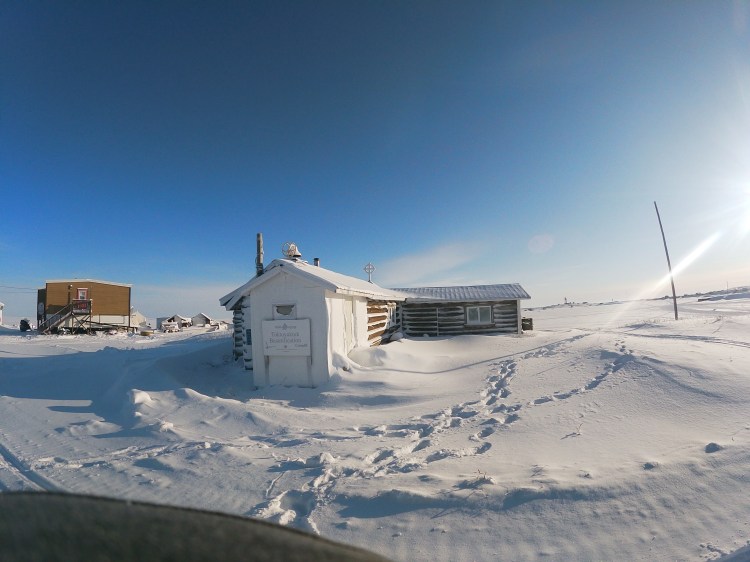
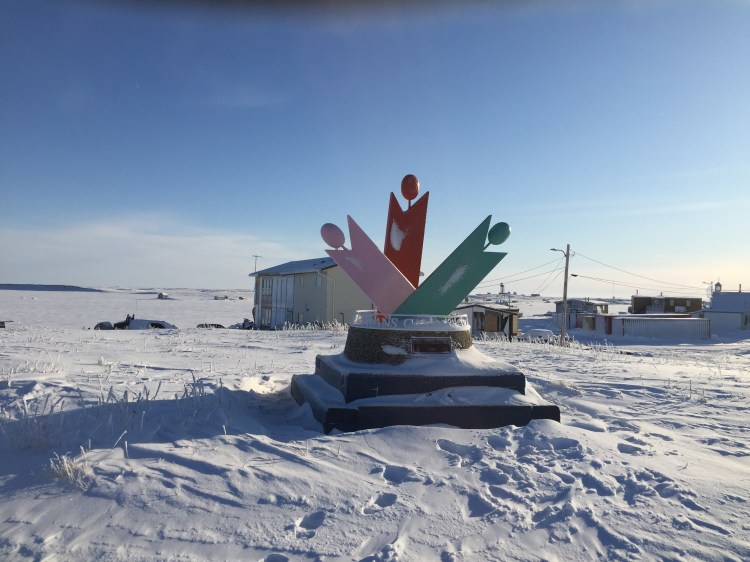
Tuk also marks the end of the trans Canada trail. The Trans Canada Trail is the longest trail in the world (24,000km). Six months ago, we were at the beginning of the tran-Canada trail in PEI. I joking said at the end of the trail there might be a polar bear waiting for us. (Un)fortunately we didn’t see one this time!
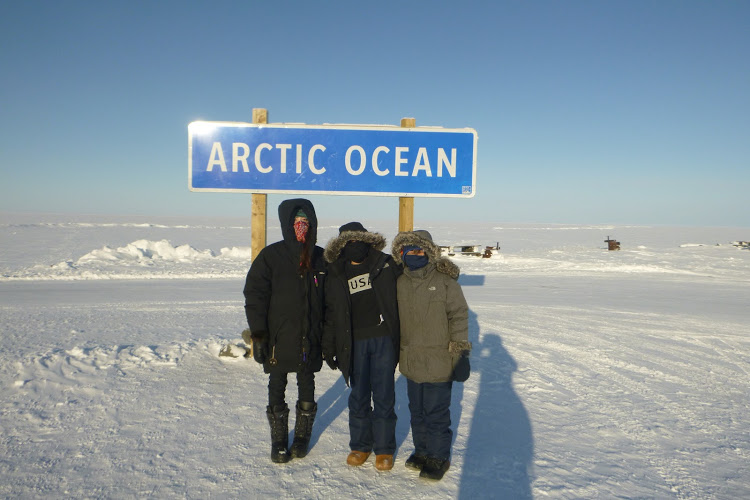
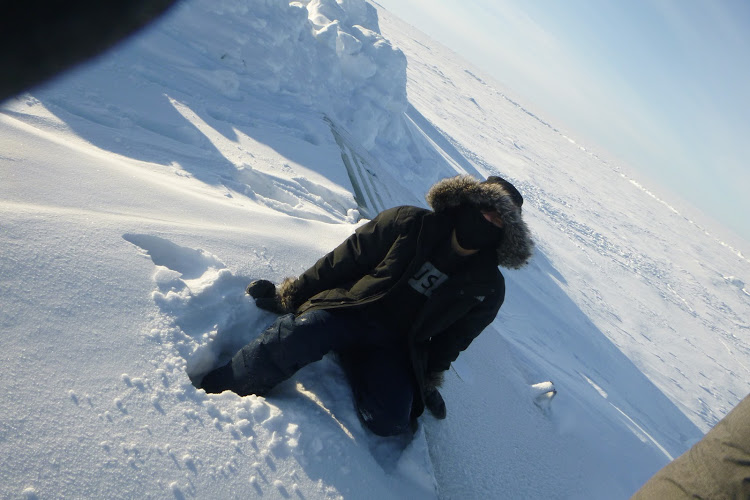
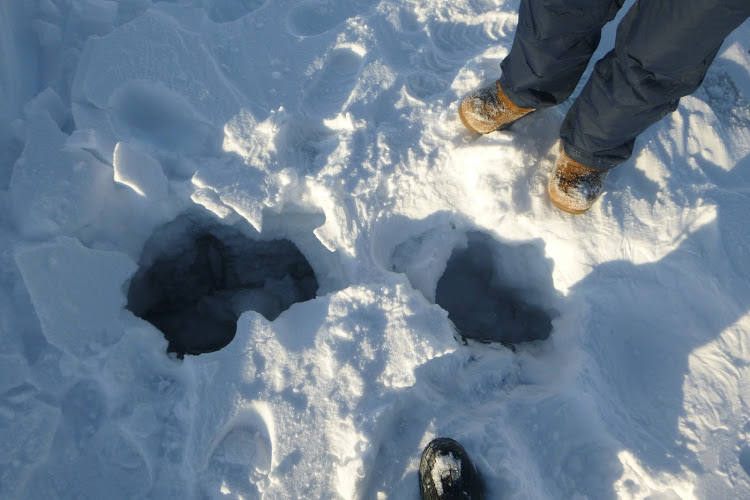
I thought it was safe to walk on the arctic ocean because there were footsteps on the ice, but we all fell through after taking a few steps! Luckily there was a second layer of ice underneath. I think that was enough adventure for me on the arctic ocean for this winter.
Musk Ox meat
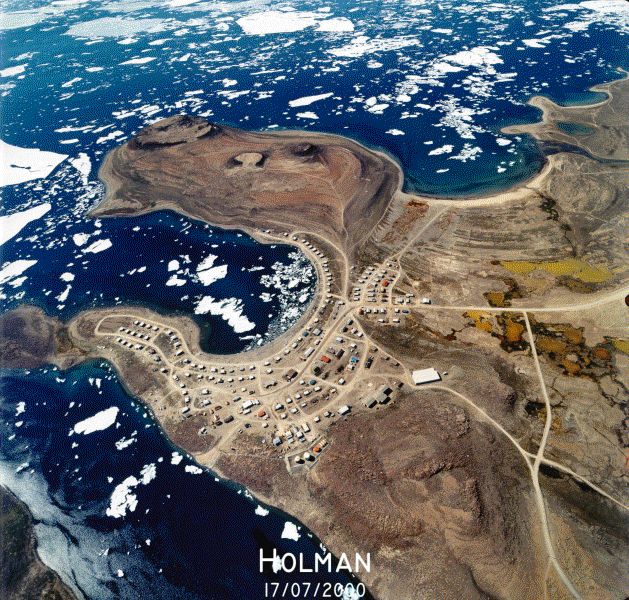
Today I got another arctic traditional food – Musk Ox ground meat from a lady traveling from Ulukhaktok, the high arctic region.
Musk Ox is a kind of arctic mammal that is covered in long and thick fur. They can grow up to 410kg (yes they are huge and strong)! They are found to exist since the ice age. Hunting of muskox is allowed for indigenous people with a permit. I would love to see one in the wild someday.
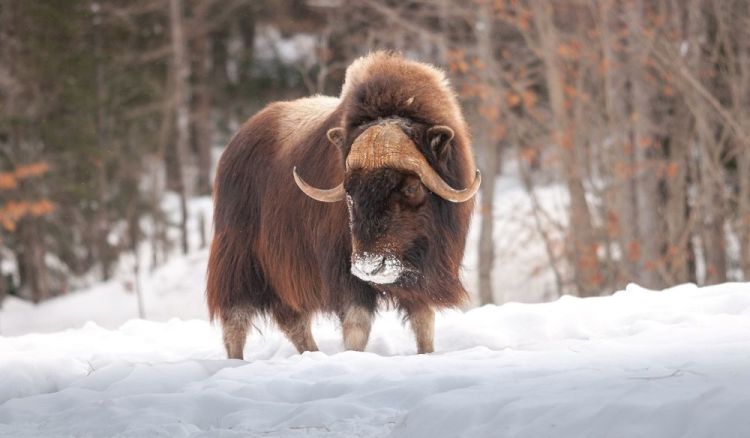
I heard muskox meat is very lean comparing to beef. It can be cooked by stir fry, or made into sausage or patty.
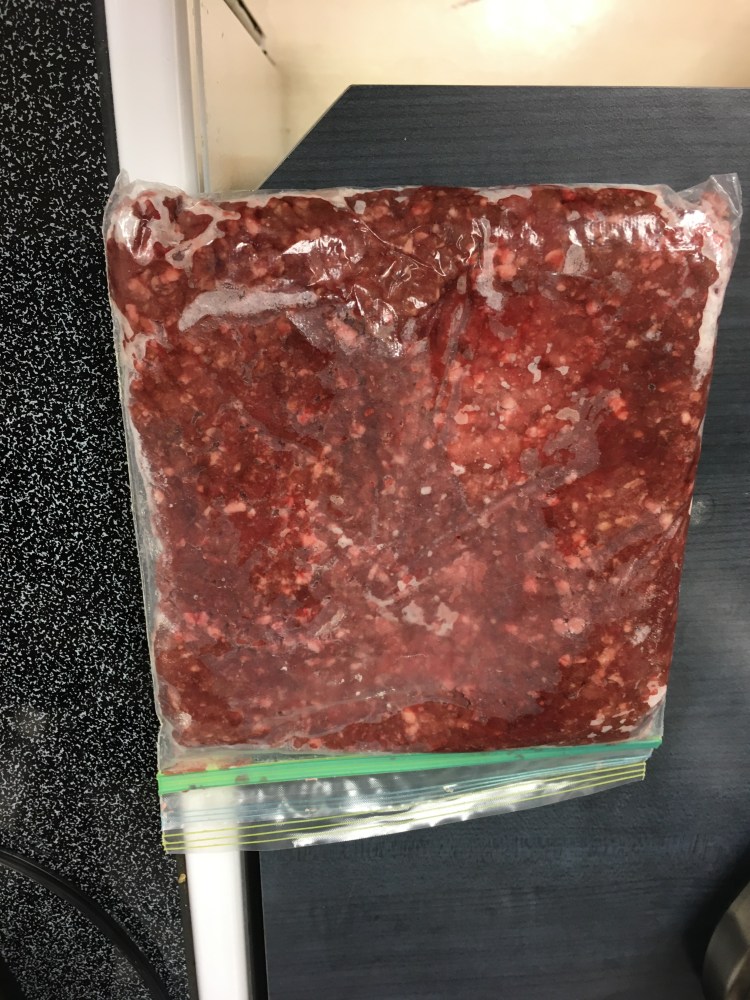
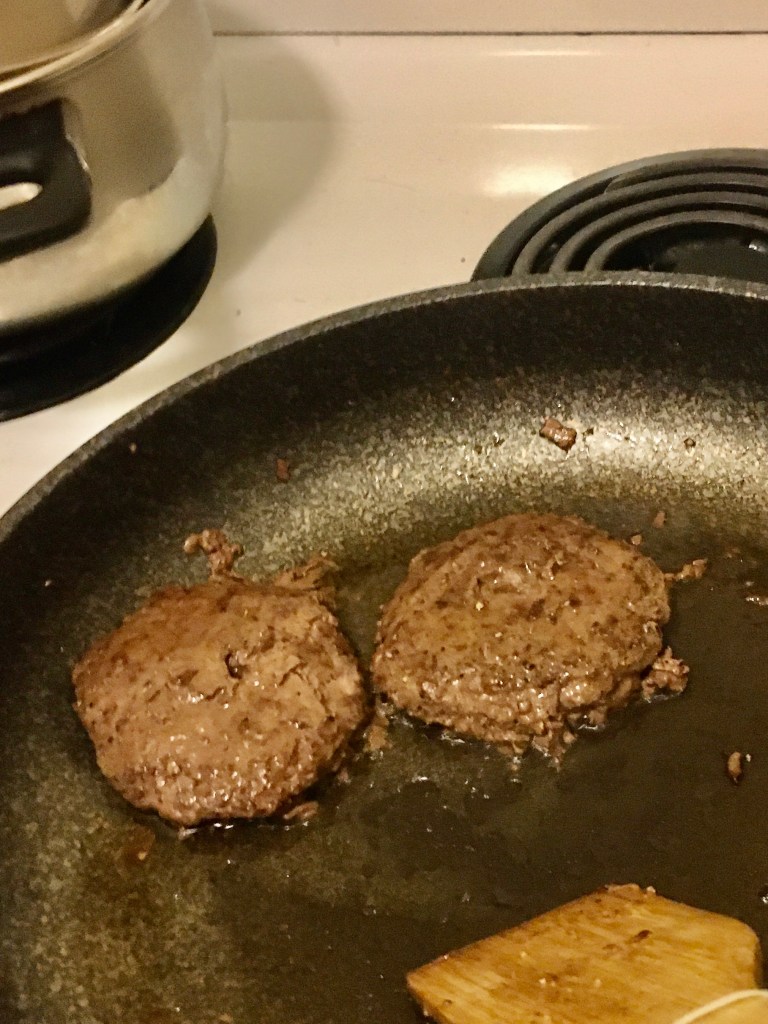
We decided to pan fry it to make muskox meat patty. The fragrance from muskox meat is different from beef, but still savory. The meat is lean and moist. It has a very rich iron taste even though the meat is well-done, giving it a hinge of sweetness. The muskox oil is much lighter than butter, and the after taste lasted shorter. It is a very good source of vitamin B, iron and protein in the arctic traditional diet. Recommended!
Gilitak – Smoked whale meat
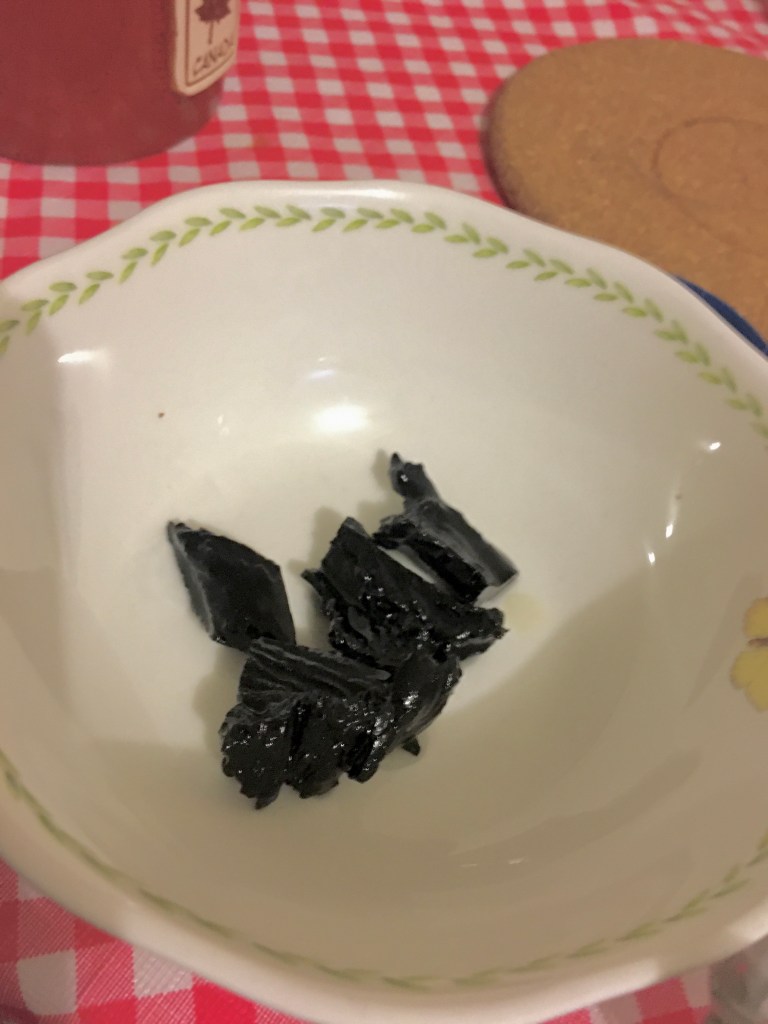
The arctic community relies heavily on facebook to communicate and trade. Sometimes you might find something interesting and rare too. I was fortunate enough to get a hold of a jar of whale Gilitak. Whale Gilitak is made of mipko (smoked whale meat) soaked in ooksook ( whale bubbler/fat). It is then frozen to preserve it for the whole winter.
The lady who made it told me it was made from the whale she hunt from the arctic ocean. Indigenous whale hunting has been practiced by the Inuvialuit people since time immemorial. They are still continuing this traditional way of hunting. The Canadian government recognizes their right to continue their way of living on their land. The lady also told me this way of preparing whale gilitak was passed on by her mother-in-law. Not many people know how to make them nowadays.
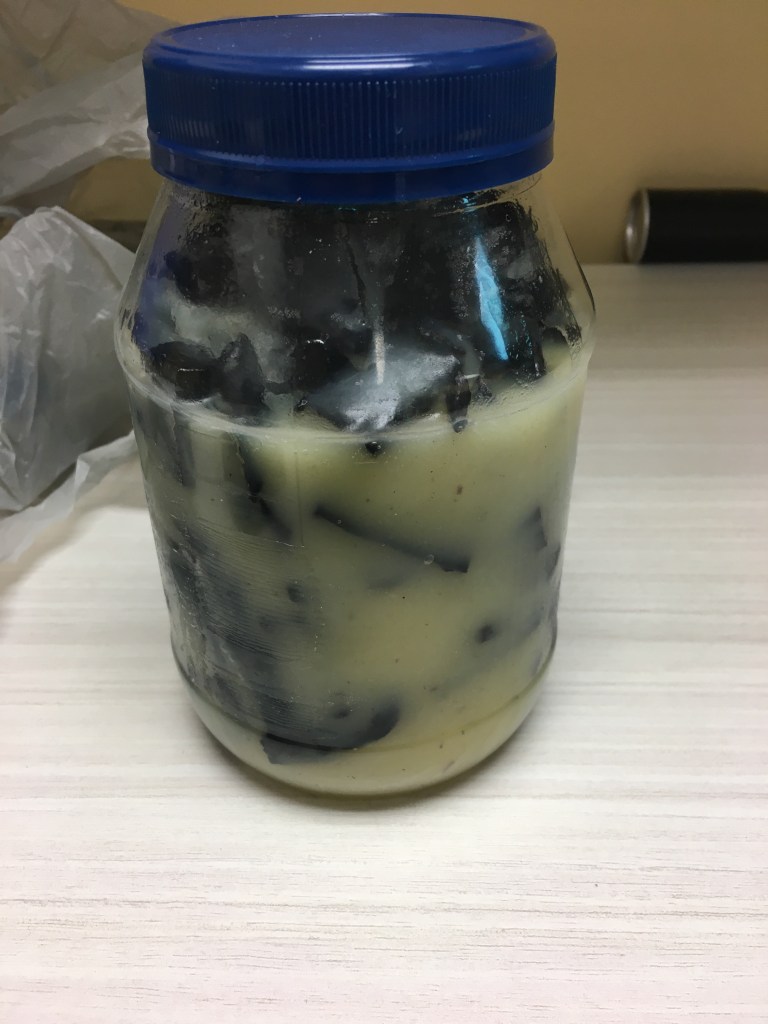
I have to thaw the Gilitak in room temperature for a few hours, then the whale meat can be eaten with salt or as is. The whale oil can also be used as a dip for caribou meat or fish.
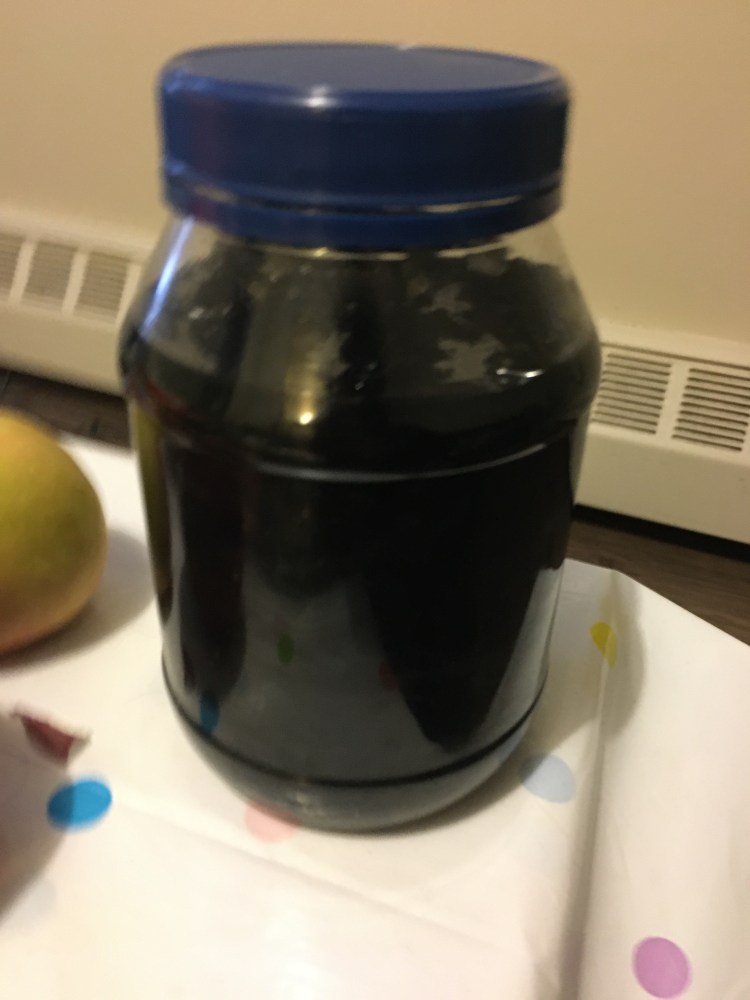
The mipko (smoked whale meat) is cut and served in small pieces. It has a fishy smell just like muktuk ( whale sashimi). The texture of mipko resembles beef jerky. Once I chewed it more, it started to feel like eating a medium rare steak, and it has a hinge of sourness, which reminds me of grilled salmon. Whale meat is a great source of vitamin C and A in the traditional arctic diet. This is a very unique delicacy and I definitely enjoyed it!
First arctic community visit – Colville Lake
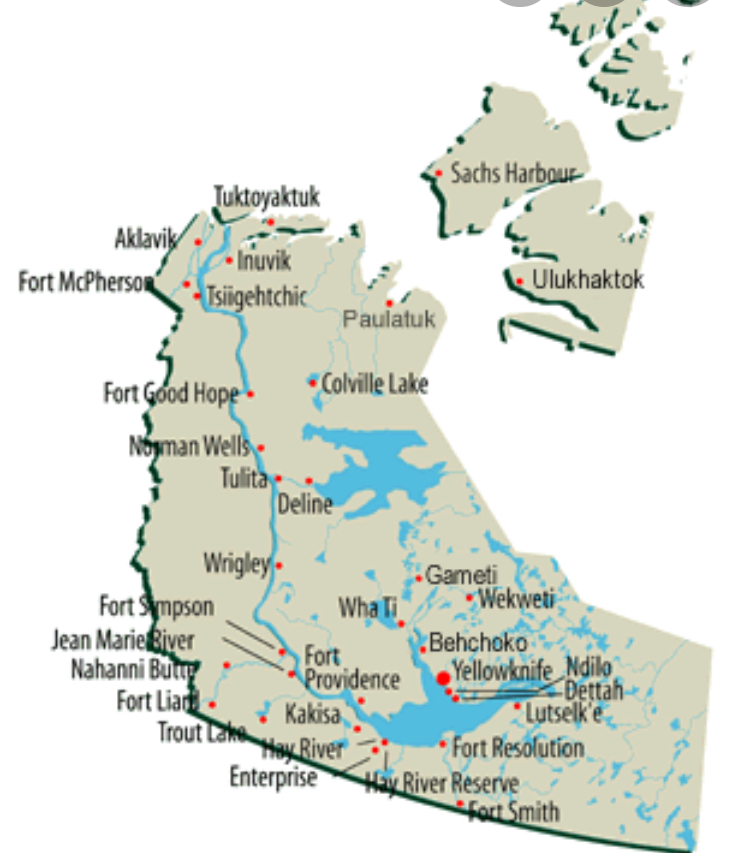
A part of my job is to service communities in the arctic Beaufort-Delta region and the Sahtu region. To start with, my first trip was to fly in to a community southeast of Inuvik called Colville Lake for 3 days. Coville Lake has a population of 130 and it is situated in the Sahtu region 50km north of the arctic circle. Most of the people are First Nation Sahtu Dene.
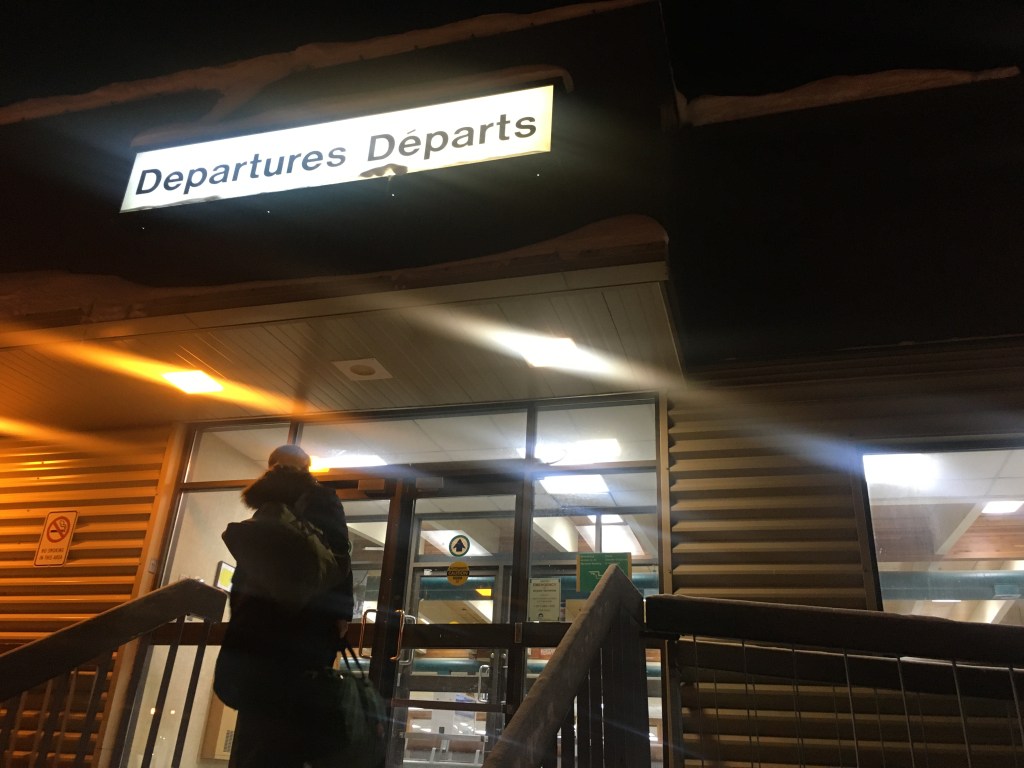
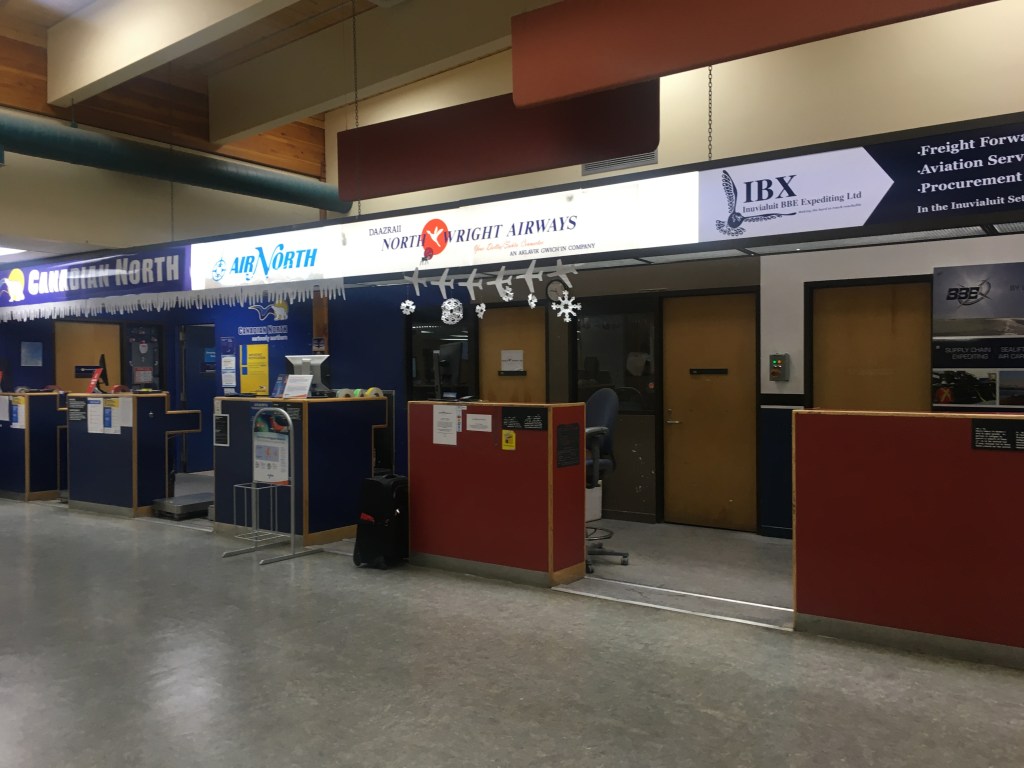
We departed from the hospital to the airport at 9am when it was still pitch black outside. To access communities in the arctic, we rely mostly on planes. The North Wright airway goes to communities mainly the Sahtu region to Yellowknife. For the high arctic region communities, it will be the IBX airway. The plane we boarded was a 8 seater small plane. There were only 3 passengers on our flight.
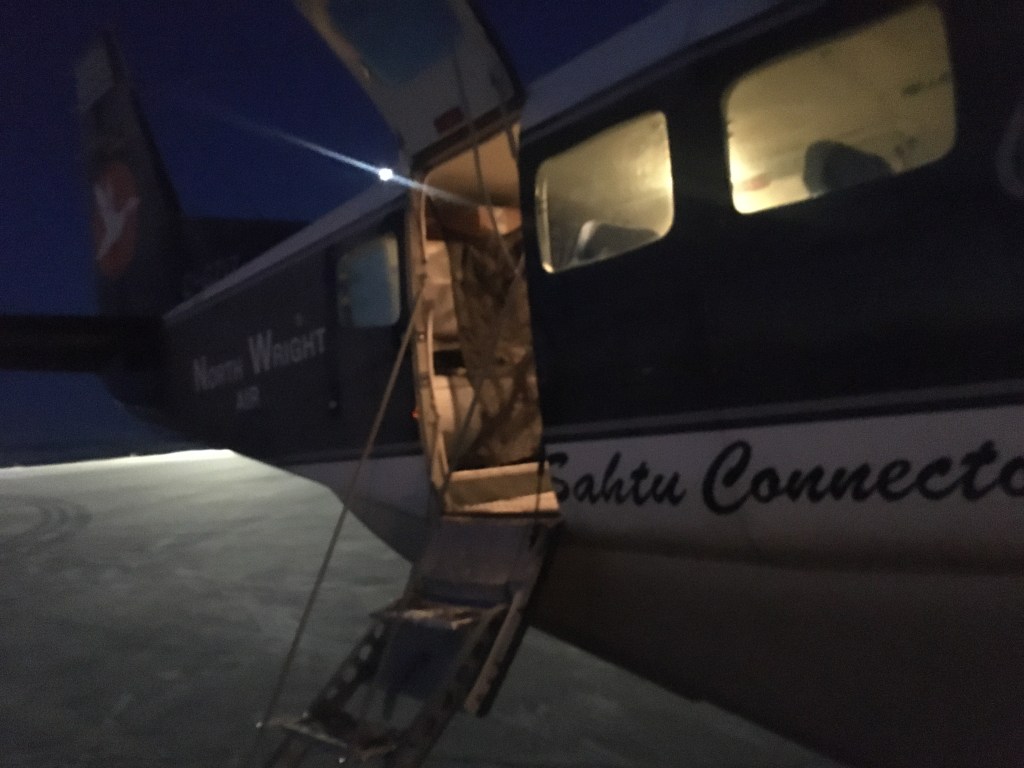
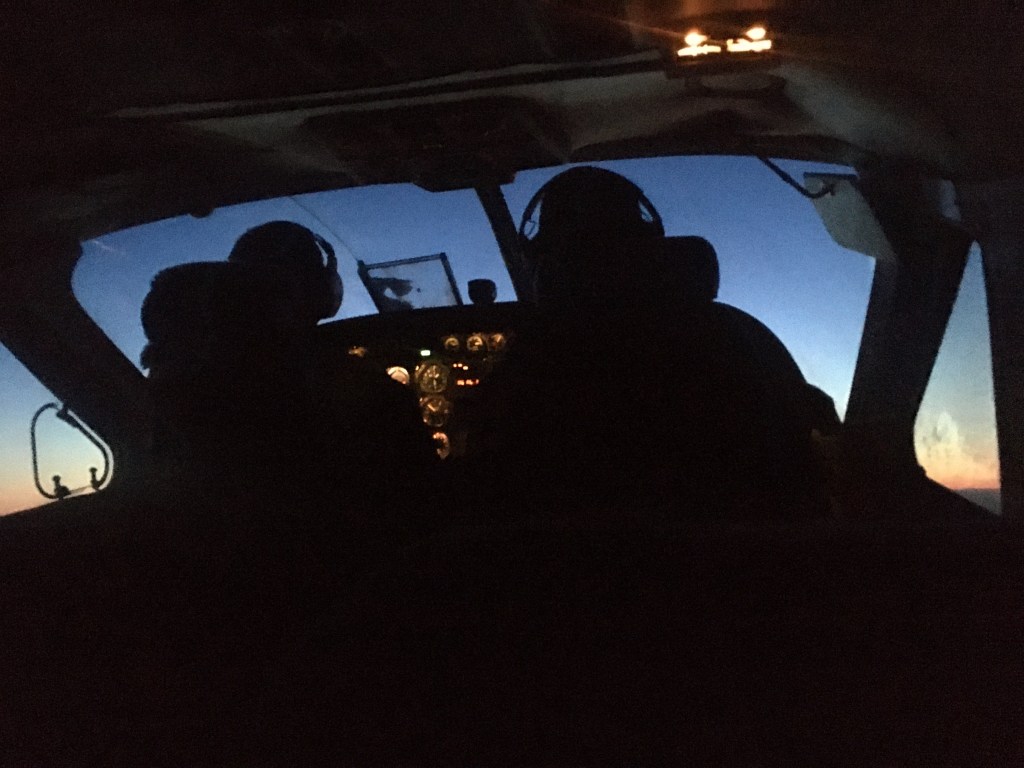
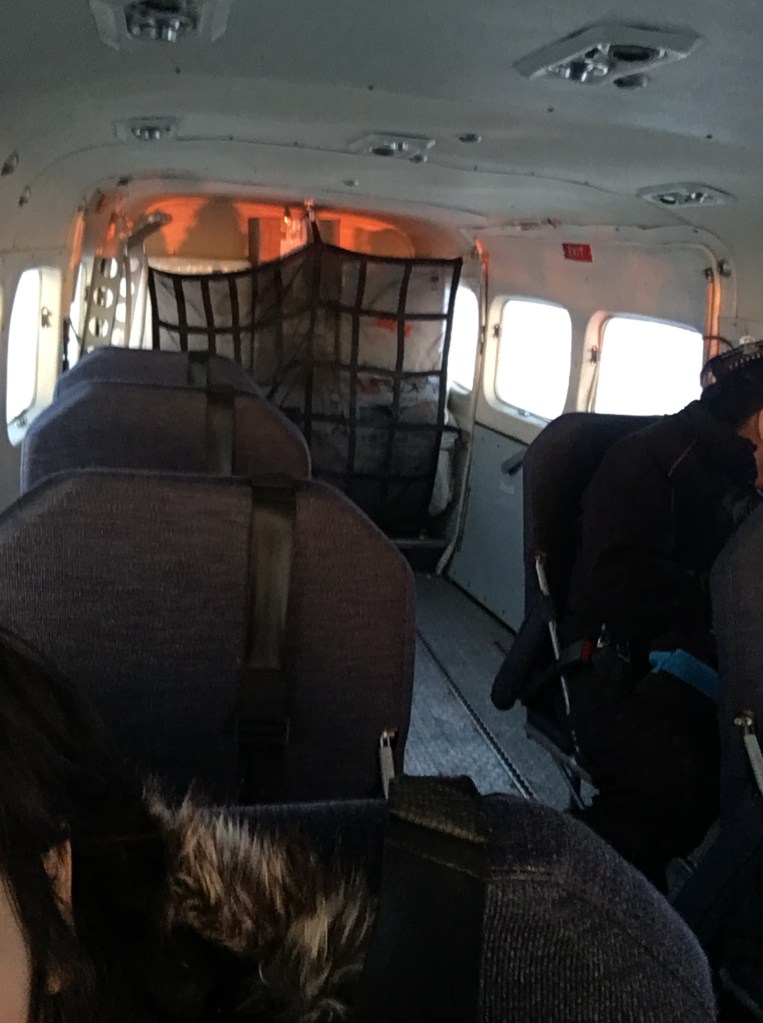
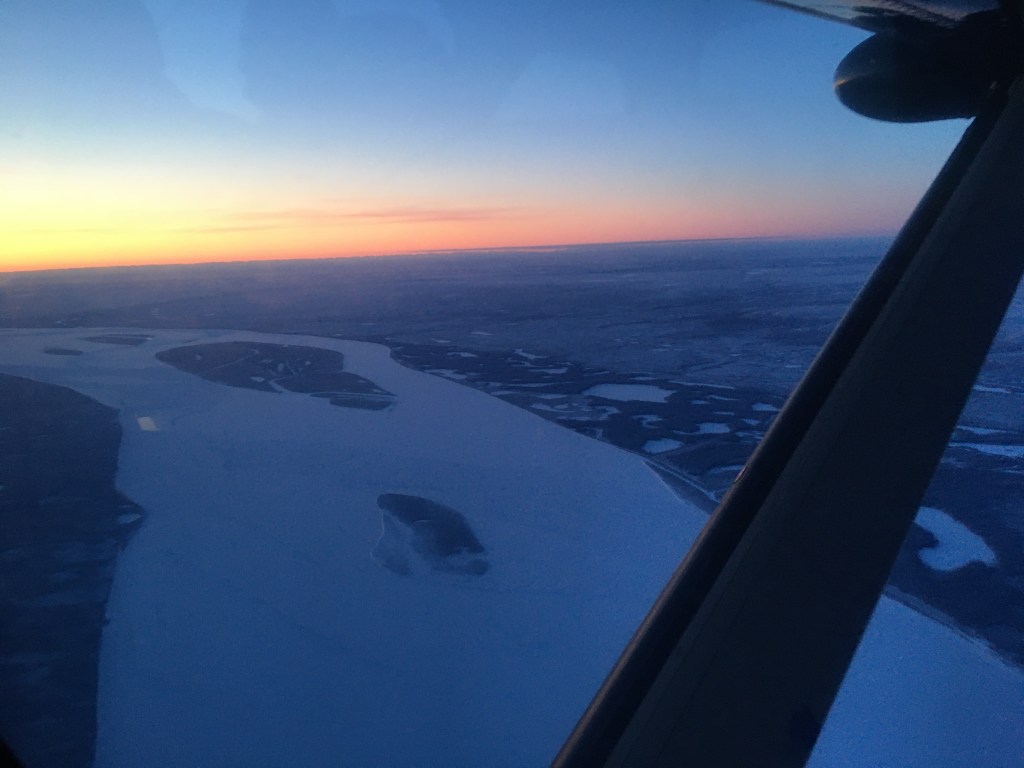
We had to first flew 1.5 hour to Fort Good Hope for refueling, then another 30 minutes to arrive at Colville lake. Without proper extreme cold clothing, passengers are unable to board the plane. So be sure to keep yourself warm!
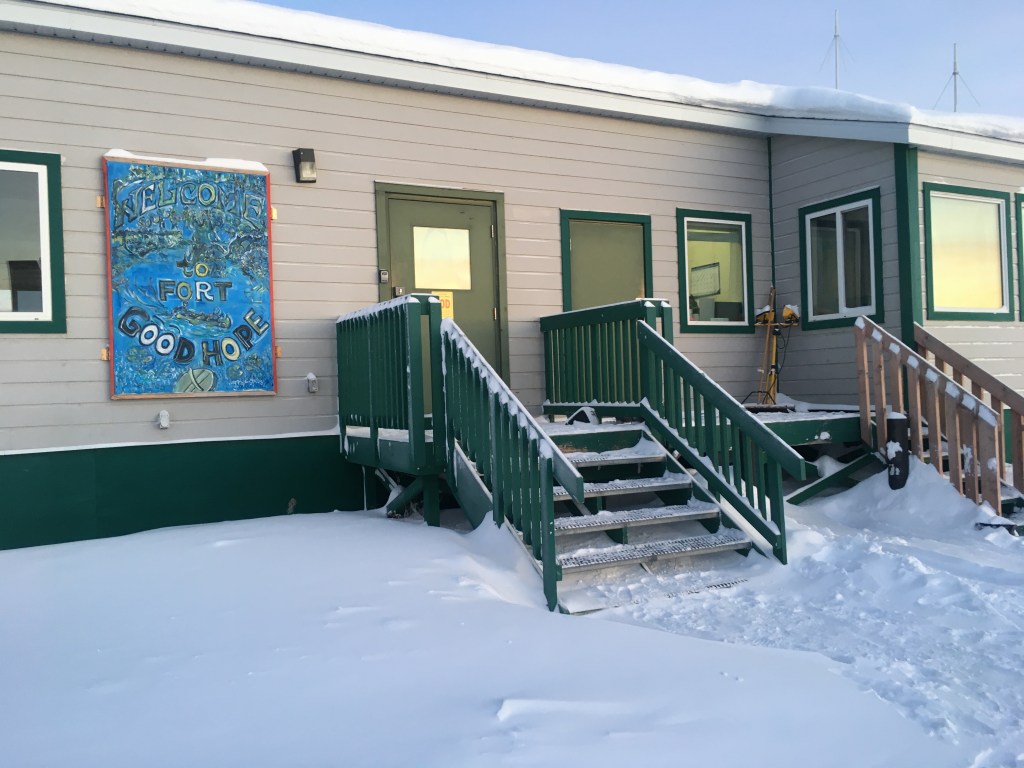
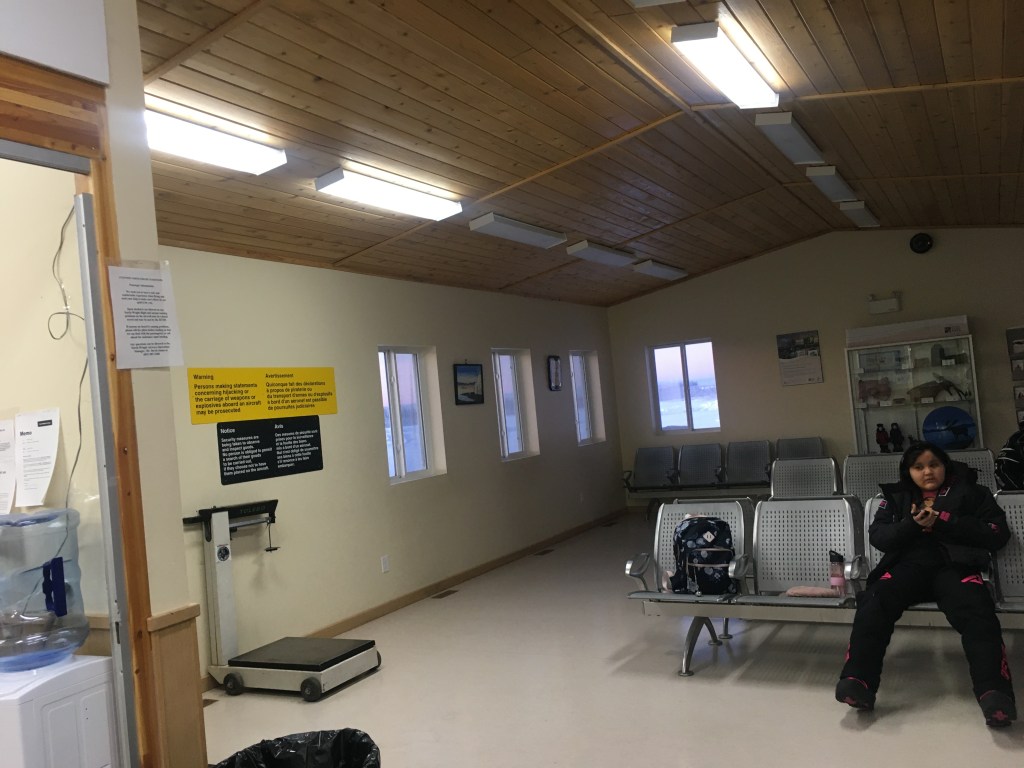
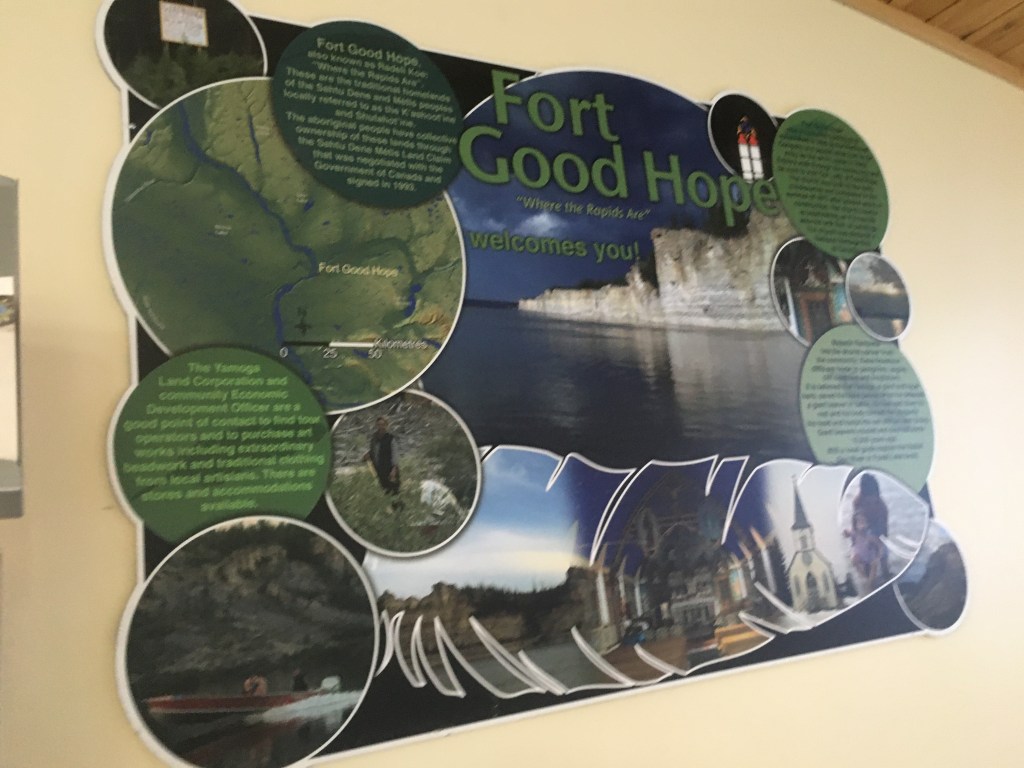
It is more like a bus station then an airport in the communities. And the flight felt like I was on a bus too. The take off and landing were super smooth and steady. I love it!
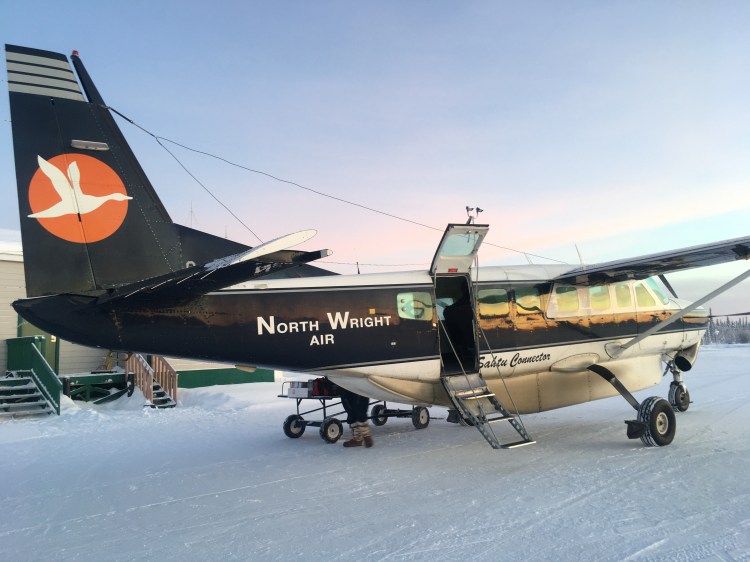
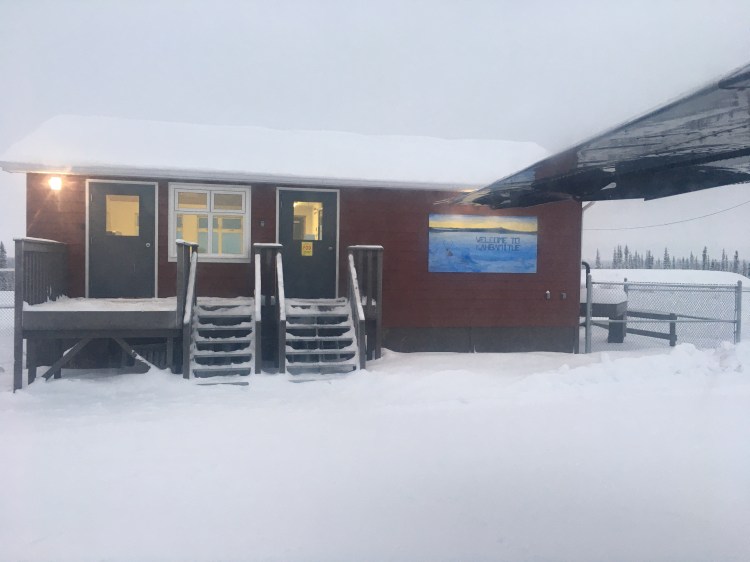
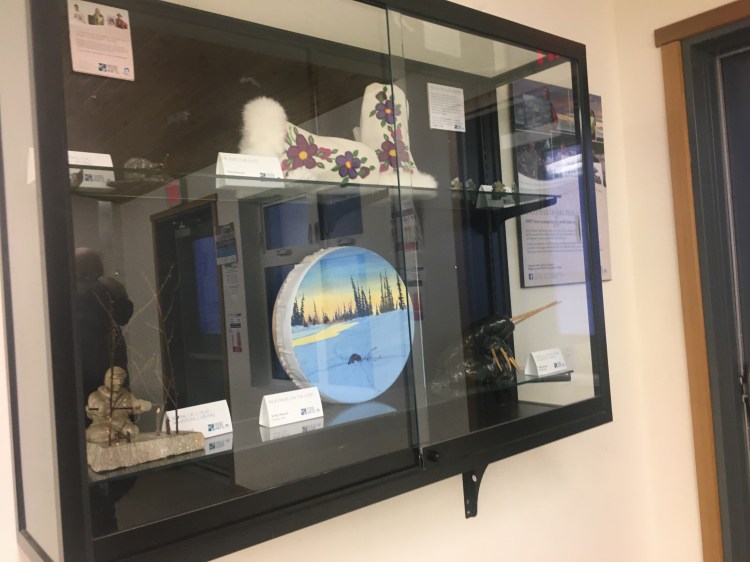
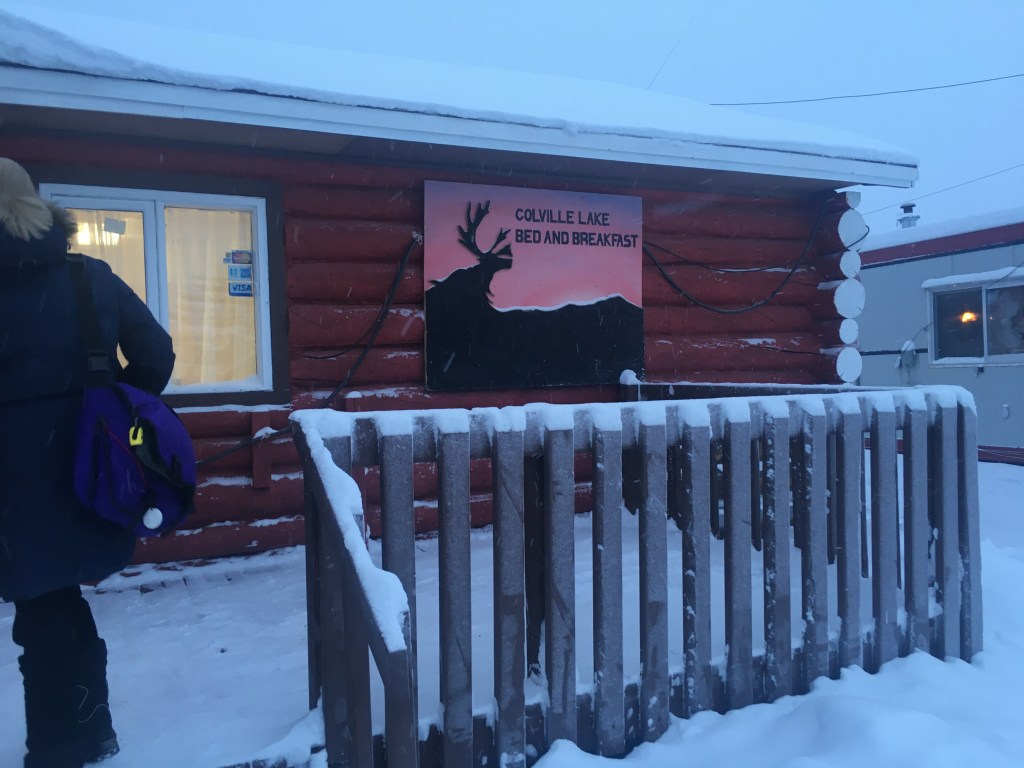
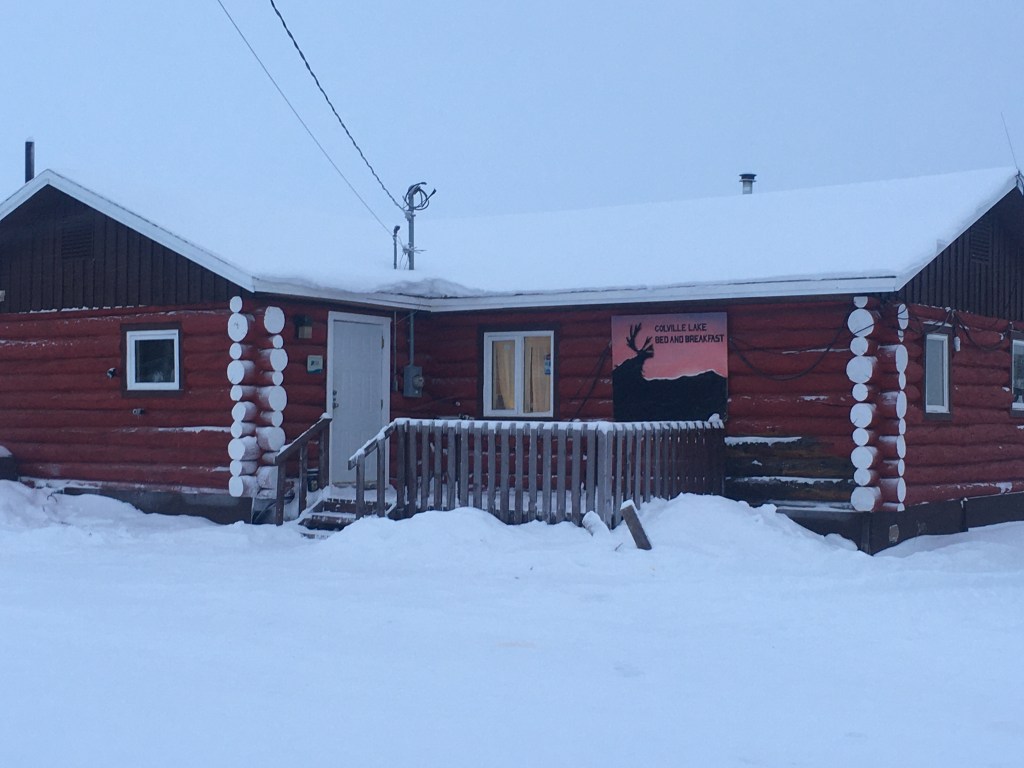
While we were waiting for the B&B to pick us up, a local couple offered us a ride to the town so we went for it! The B&B is quite cozy. We had a reservation for two rooms, but someone took one of the rooms without reservation. There was a vacant room in the other part of the B&B, but the pipes in the kitchen sink and washroom were frozen there. Fortunately, the guy was gone the next day but it added some bumps to our trip.
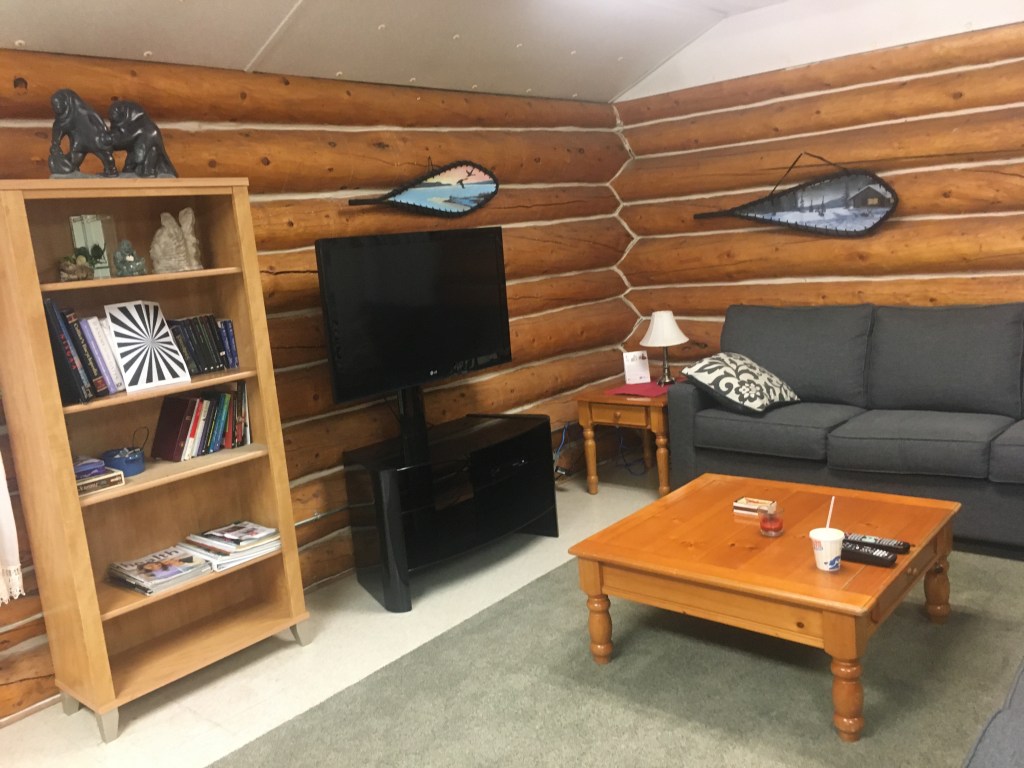
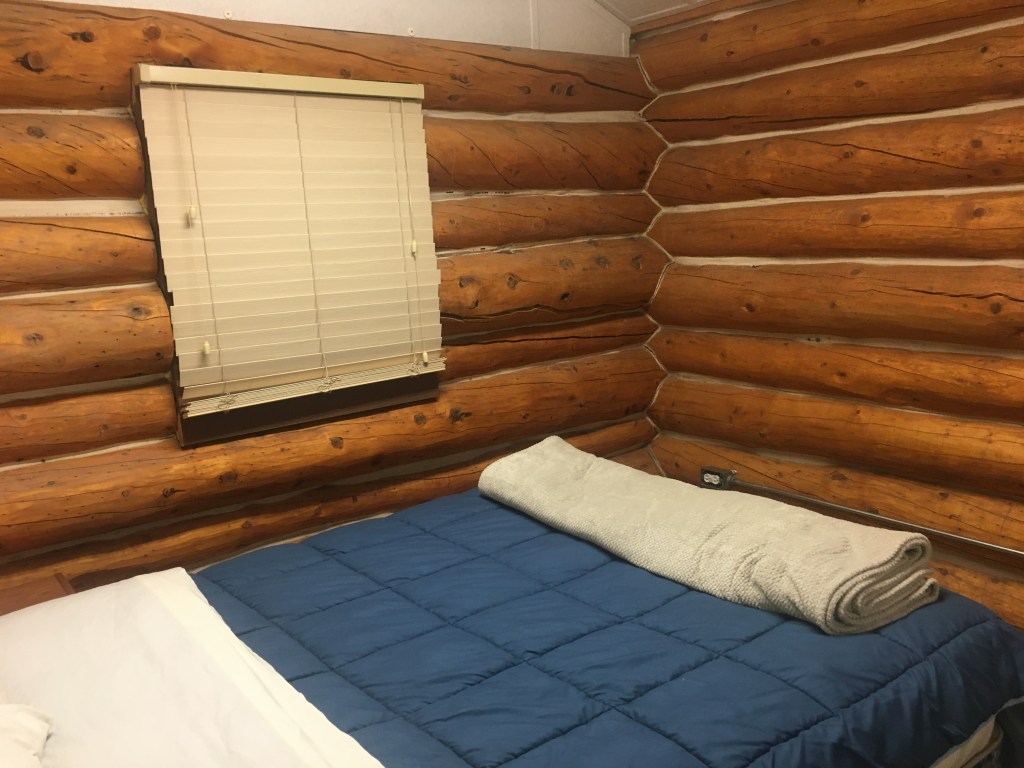
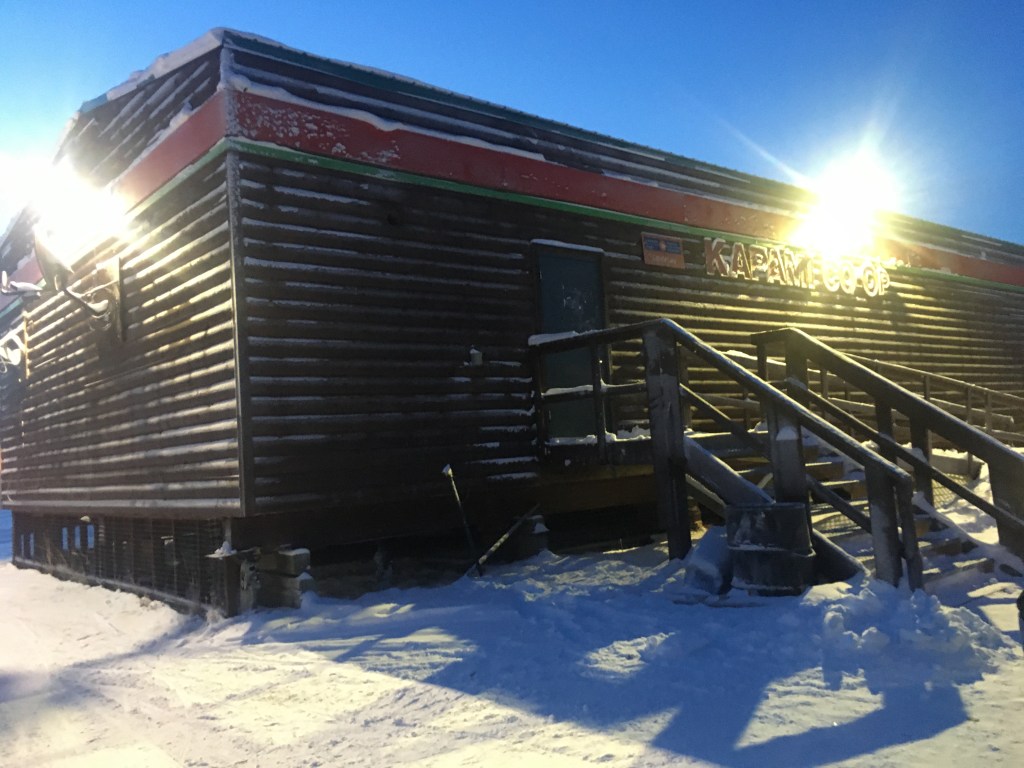
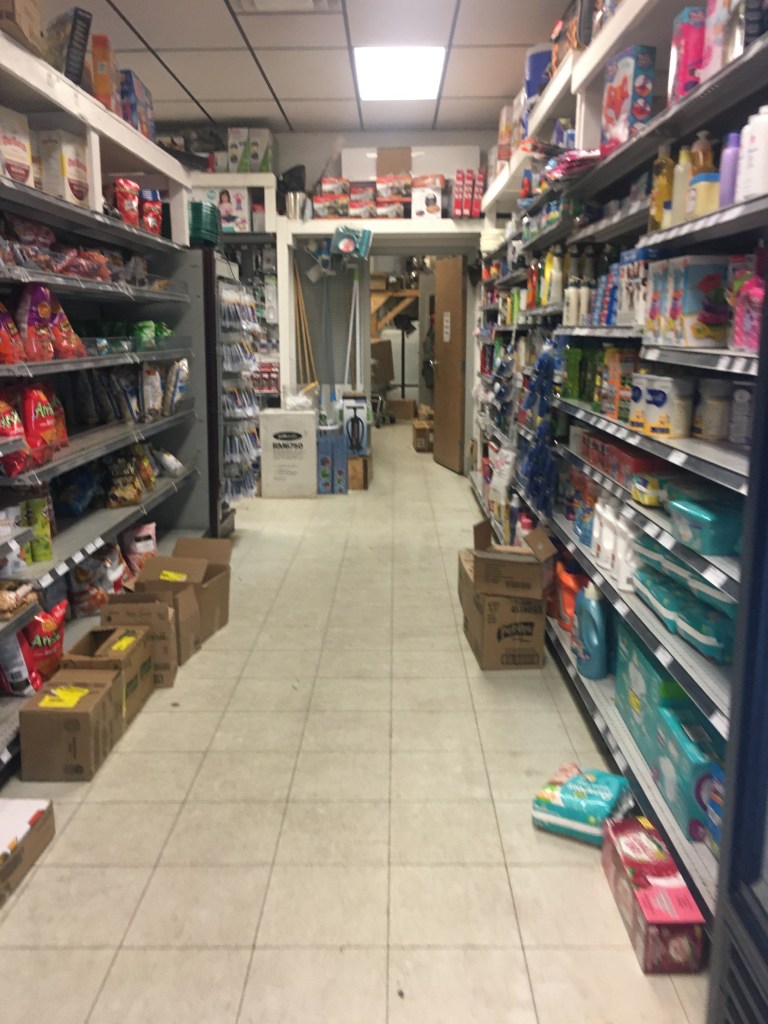
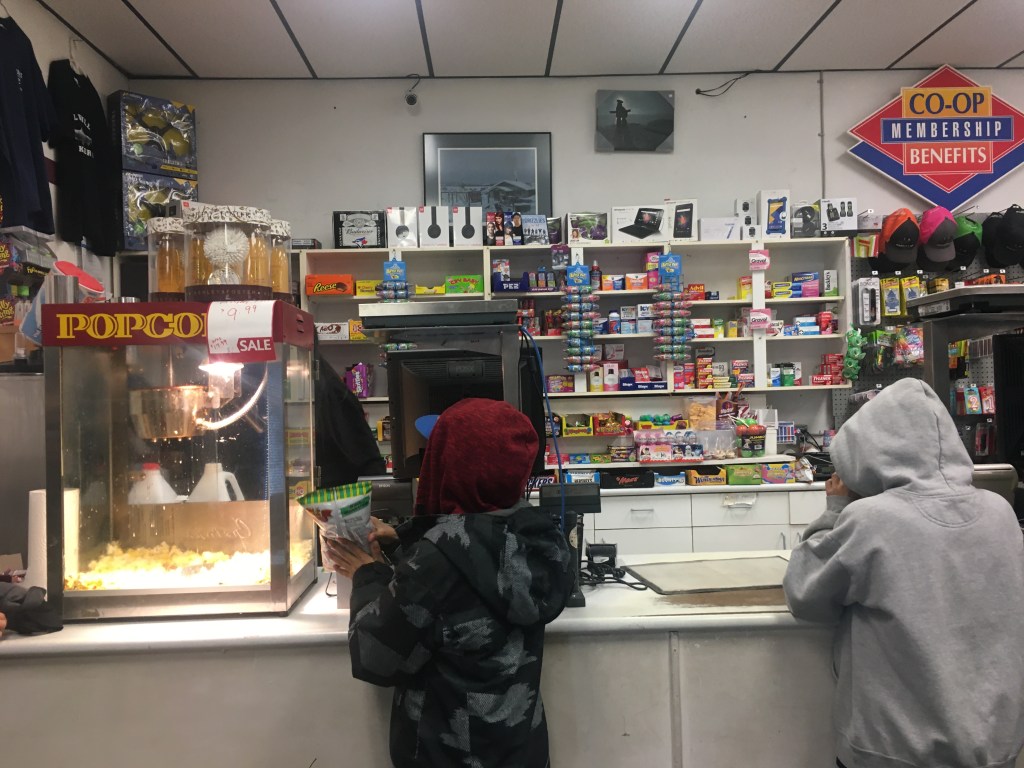
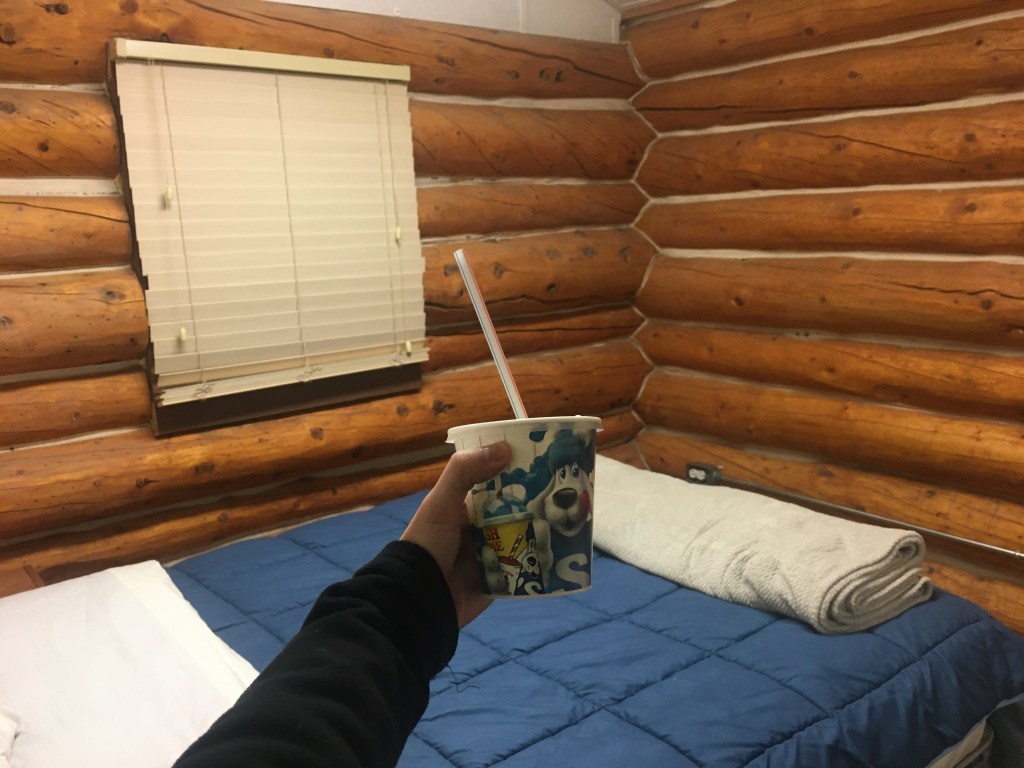
After work, we went to the only grocery store in town. Ofcourse stuff is expensive but it is pretty well stocked. I got a lime flavored slushy and drank it in the cold~
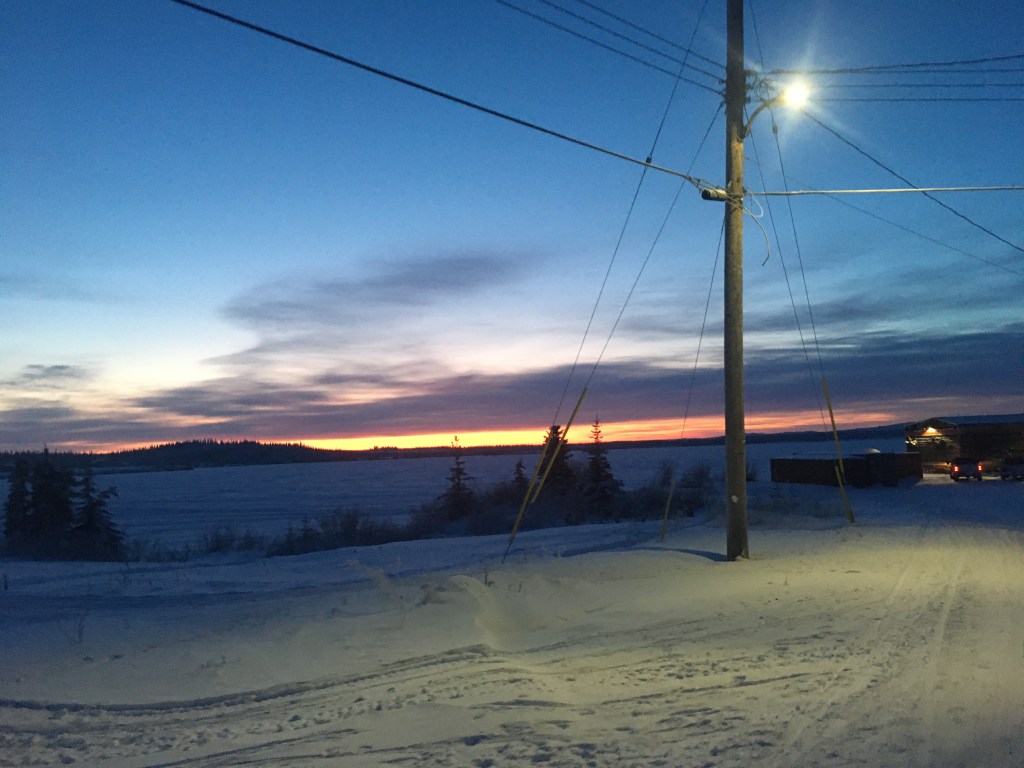
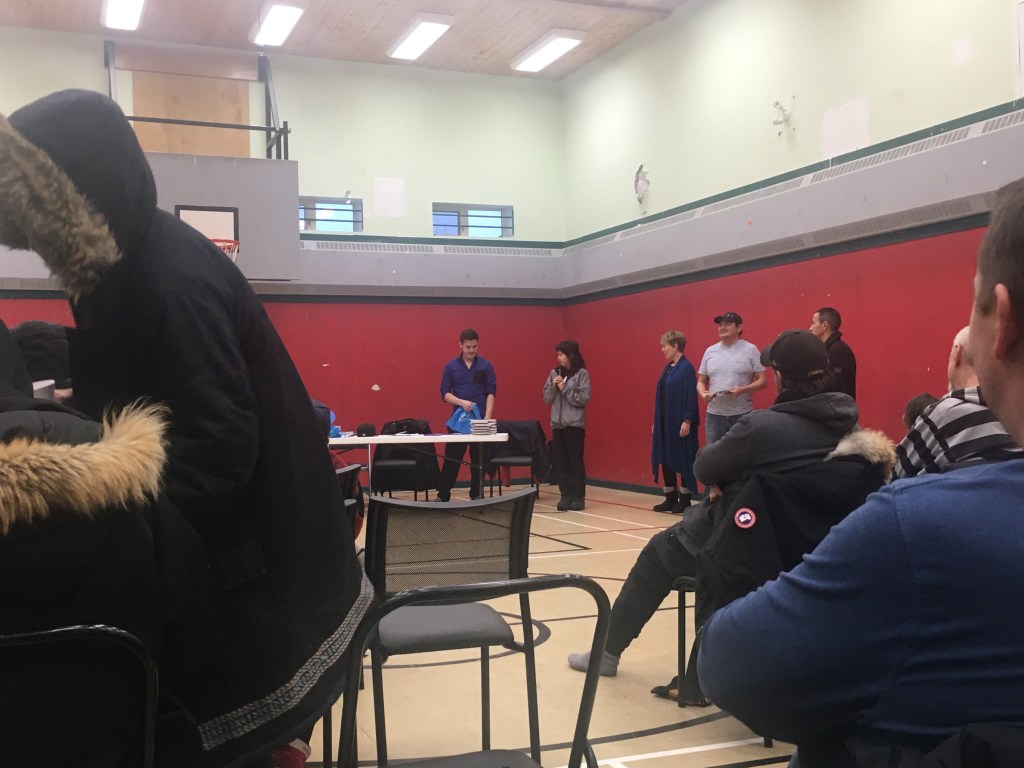
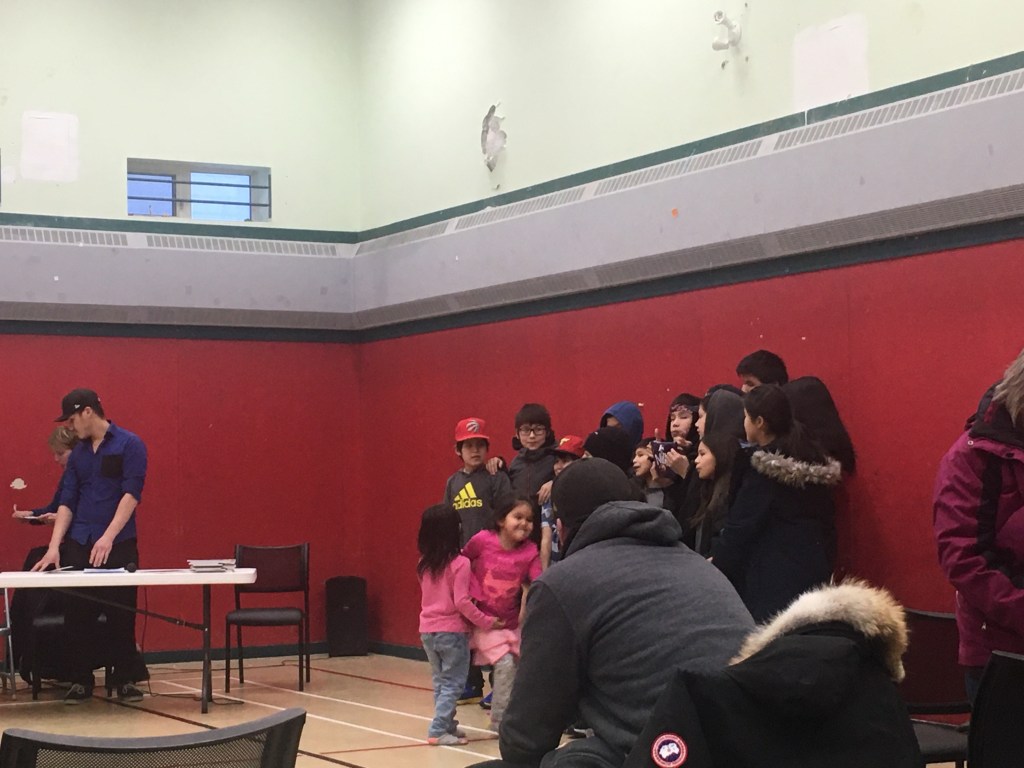
There was a book publishing event in the community gym the next day. The book series is called the Dene Heroes. It is the forth edition of stories written and shared by the Dene people in order to pass on the traditional wisdom to the next generation. At the end of the event the whole community shared a giant milk chocolate, but of course the kids got most of it.
First sunrise in a month
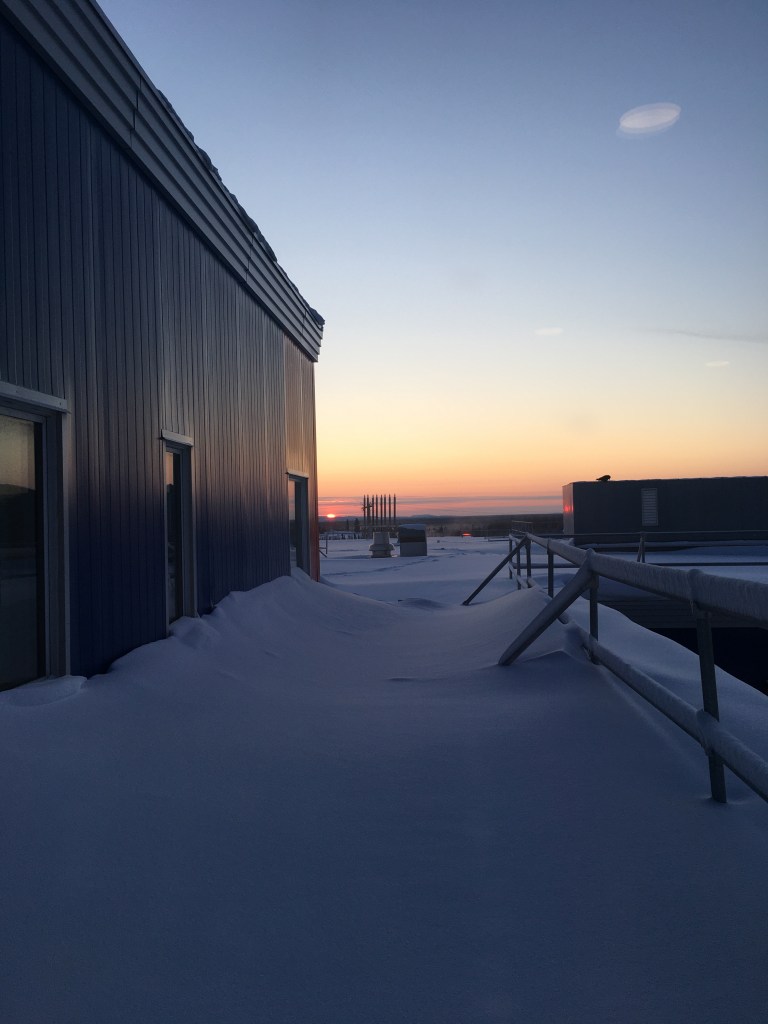
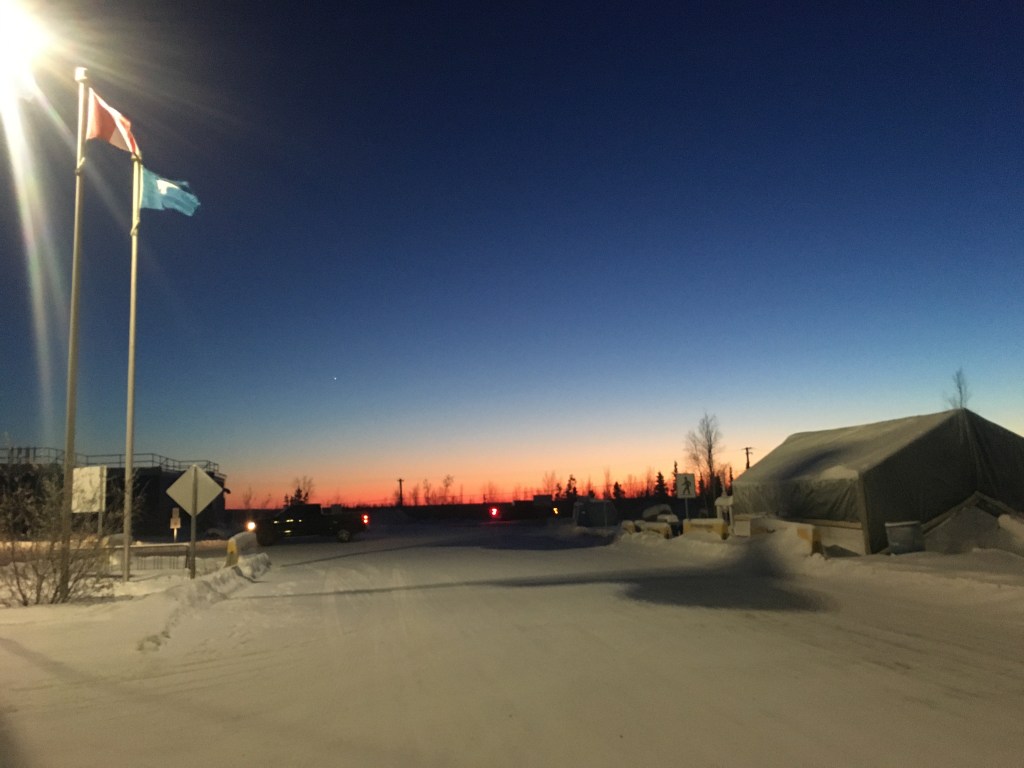
It had been a month without sun since we arrived in Inuvik. The first sunrise finally happened a day after the festival at 2pm for 11 minutes. It felt so strange to see a bright red object on the sky. What a funny experience to appreciate the sun again. The sunlight then extends by 11 minutes each day, and the sunrise and sunset will get longer and longer. In March and April we will have 24 hours of daylight everyday! Don’t know how I will feel about the sun by then.
Sunrise festival-3
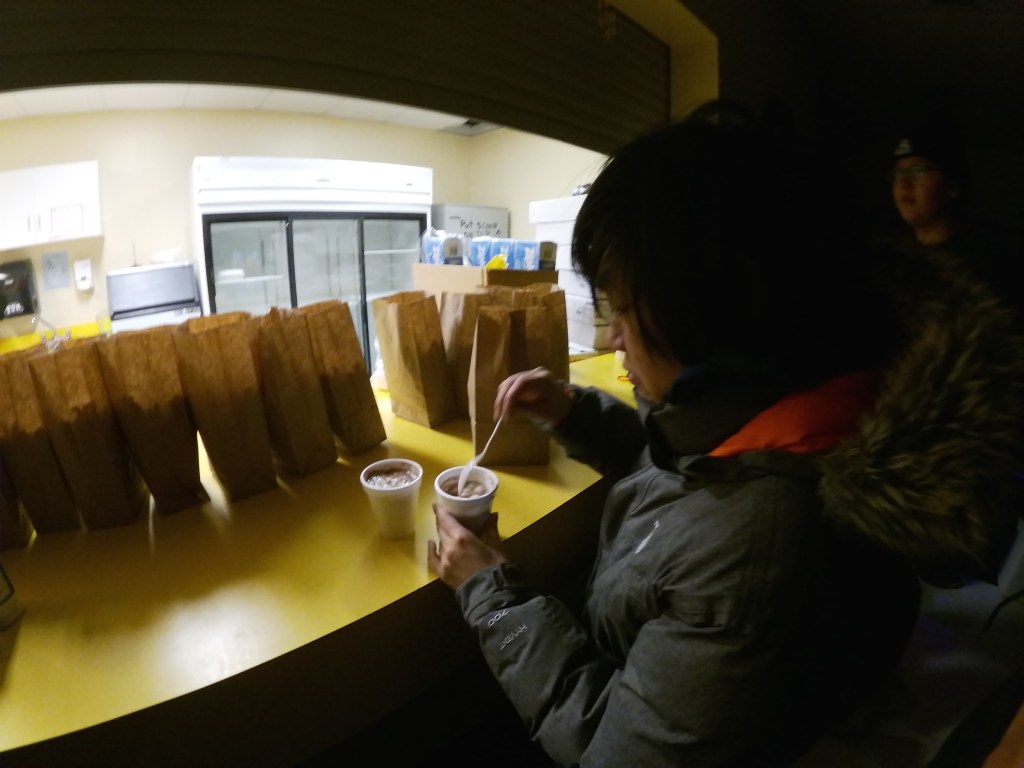
The last day of the festival was pretty chill. We went to the ice village at around 3pm. There were ice sculptures, games and food tents. We had an iced maple syrup on a stick and it became very chewy.
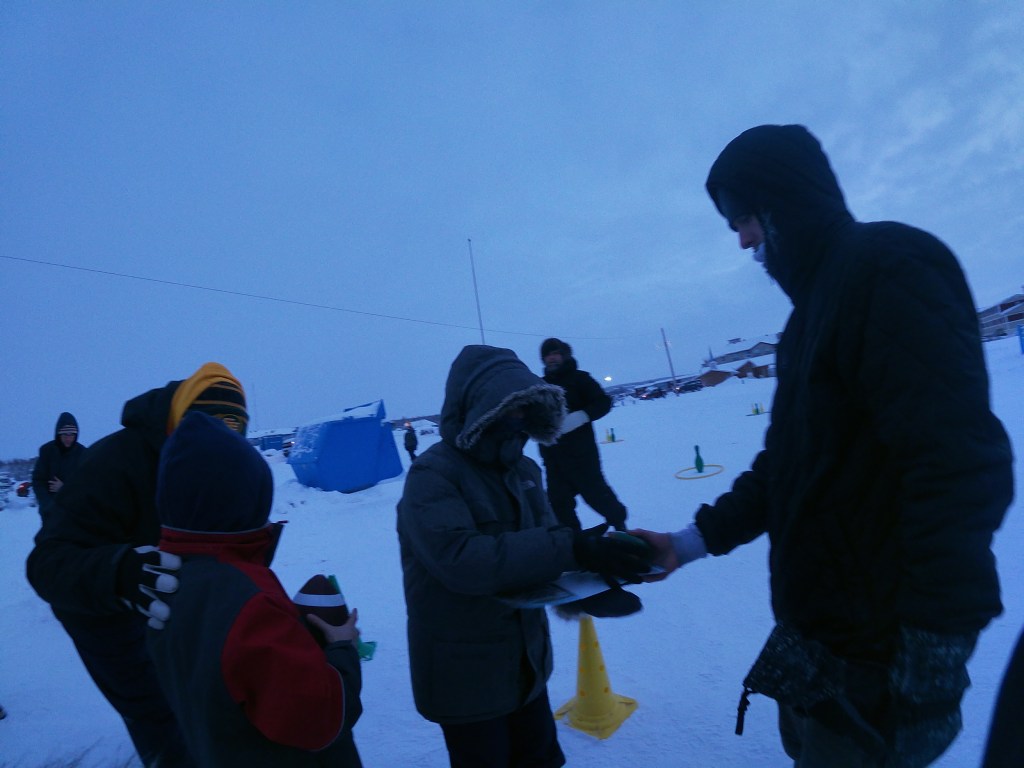
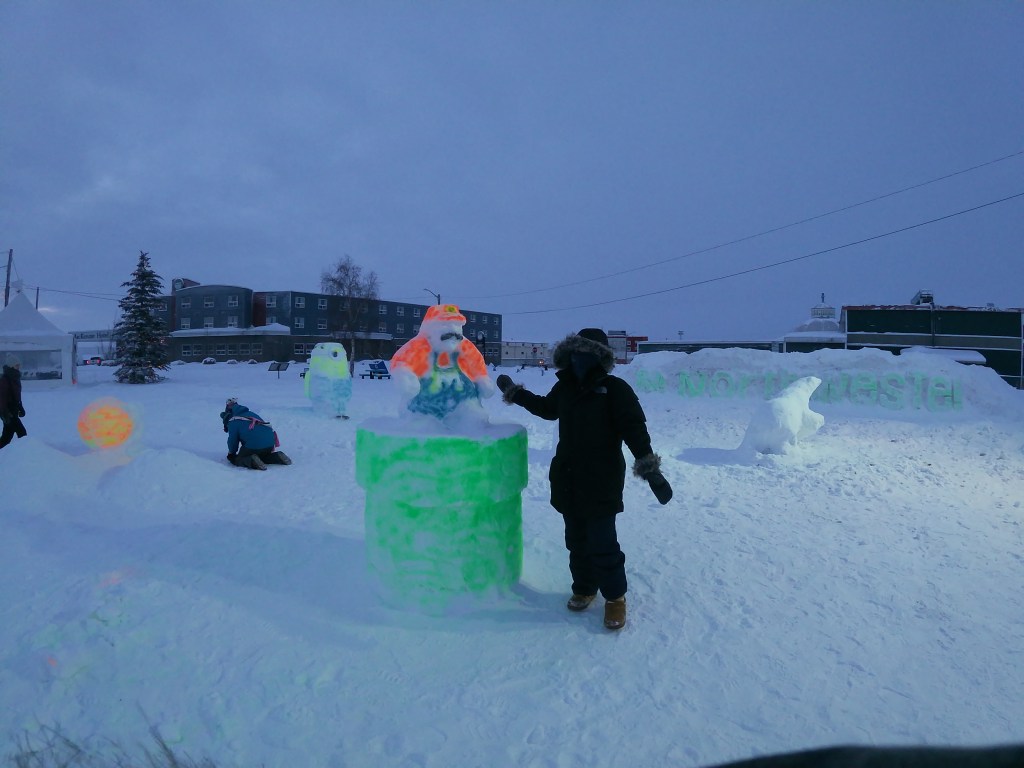
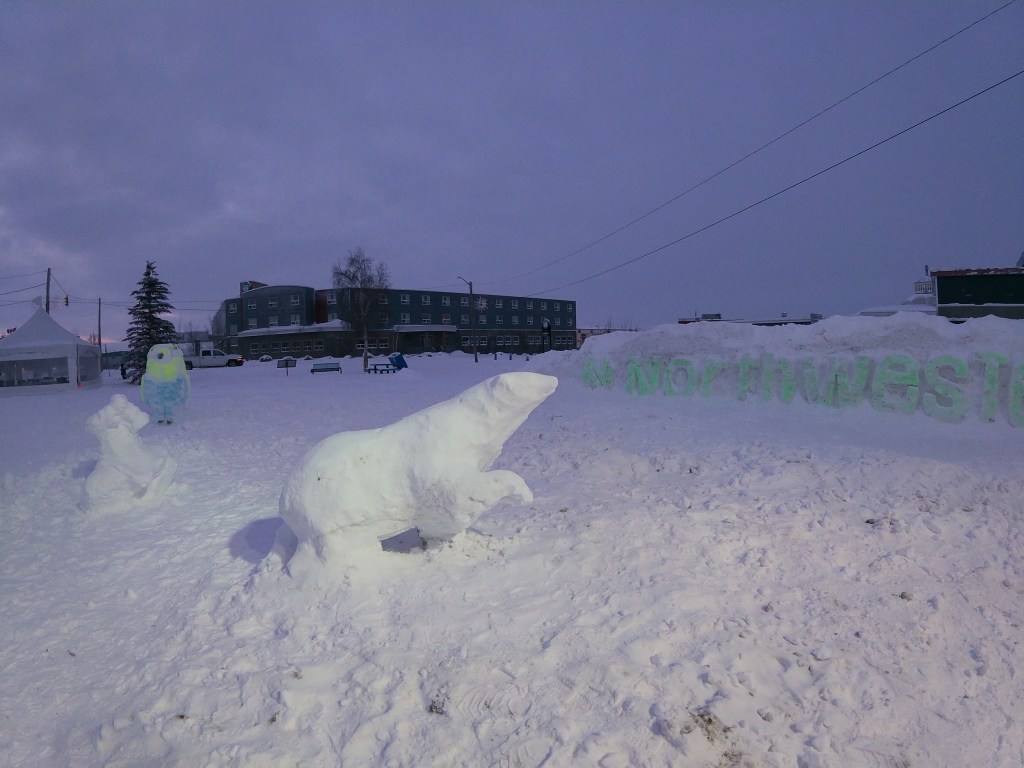
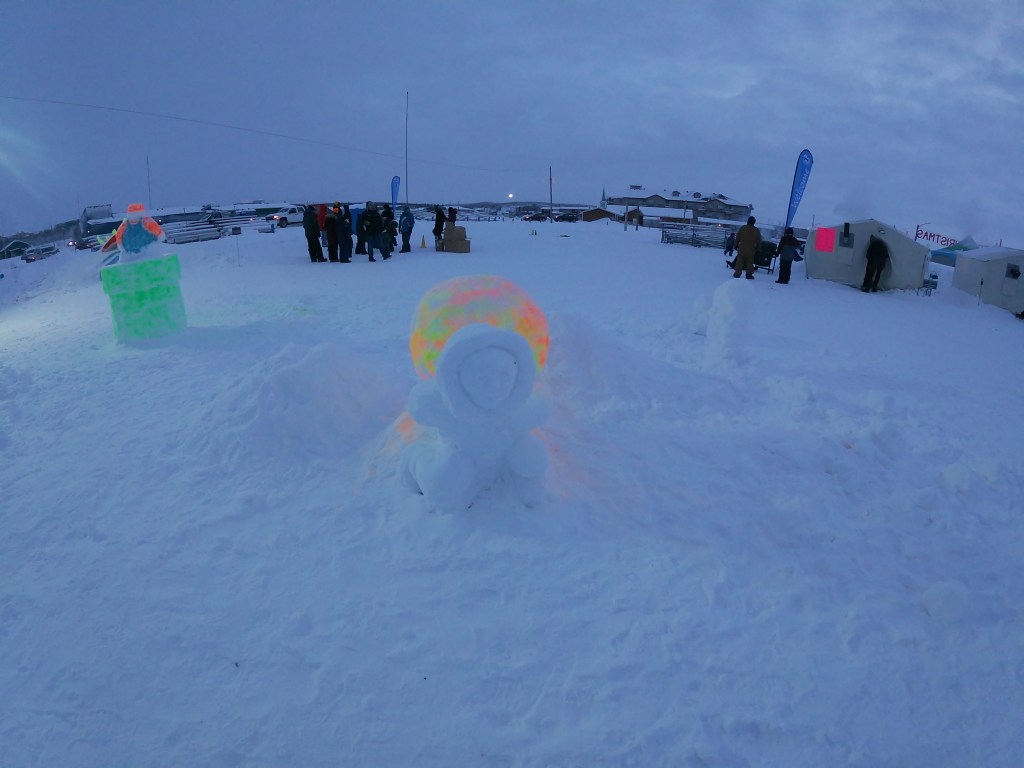
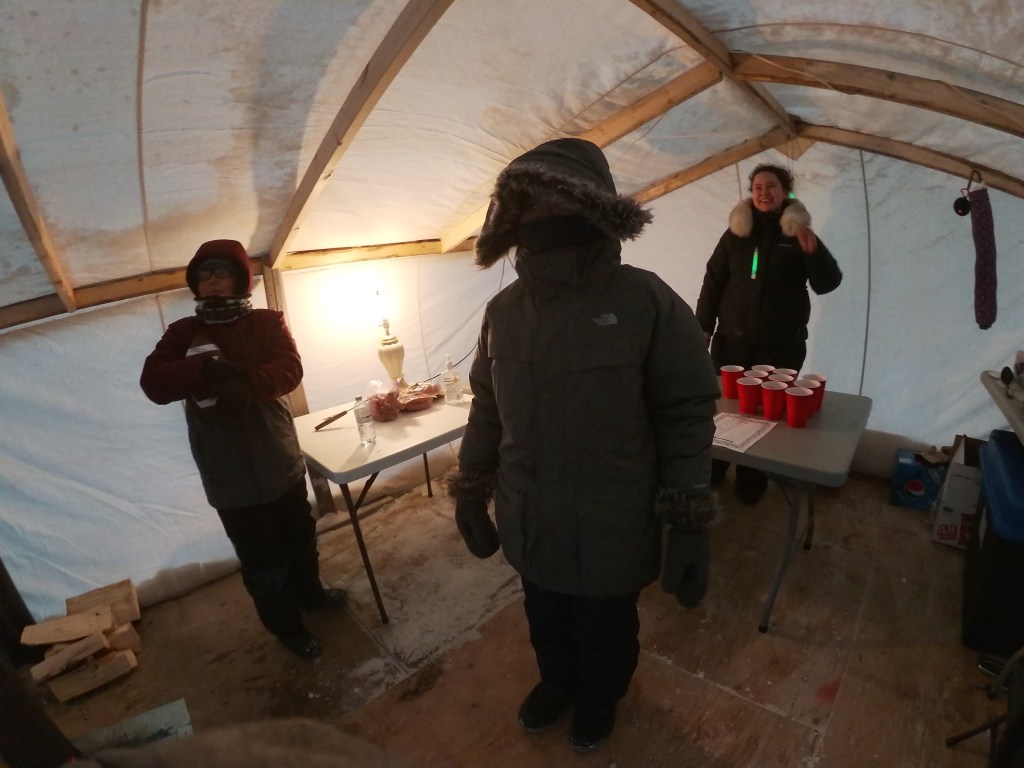
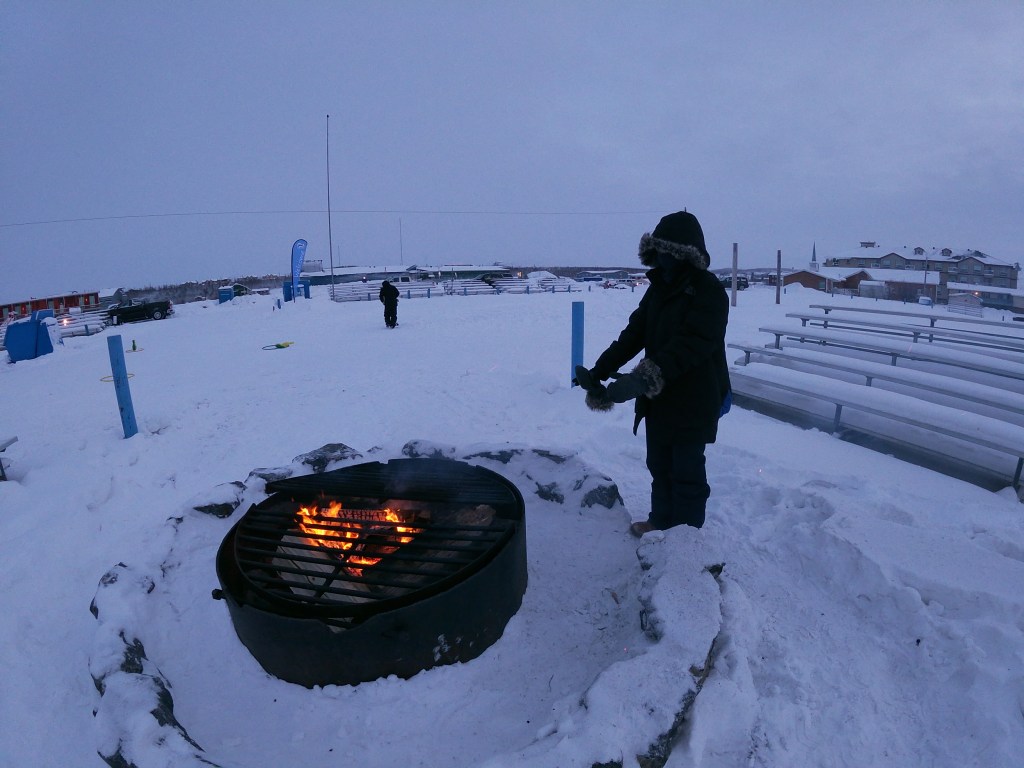
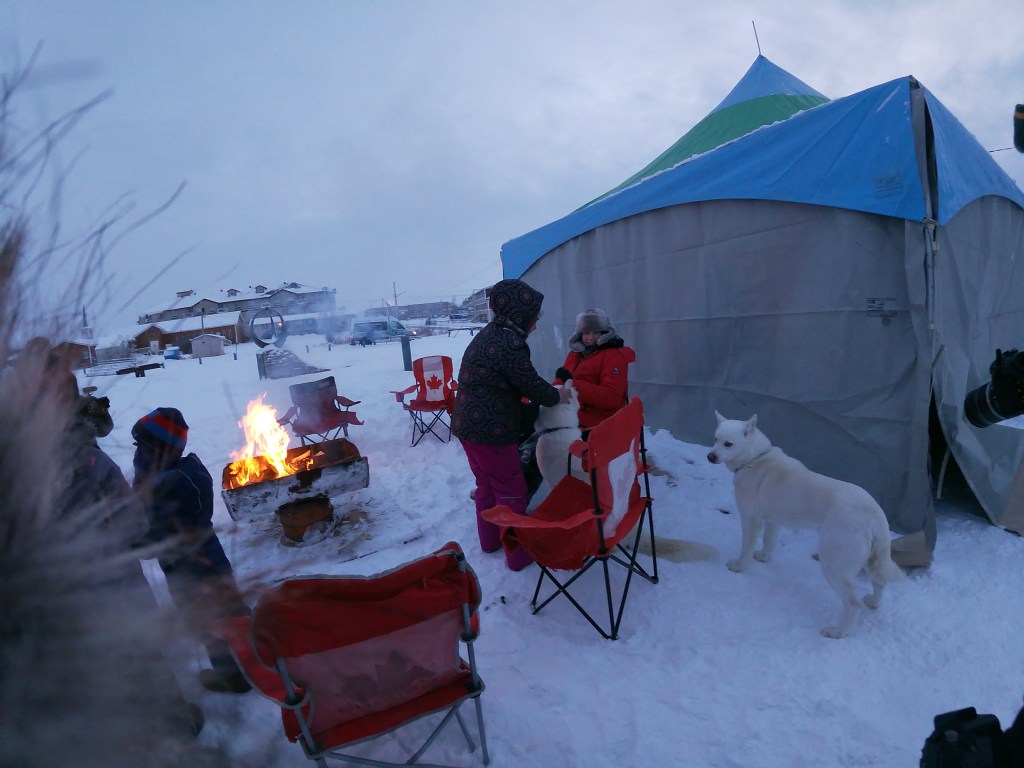
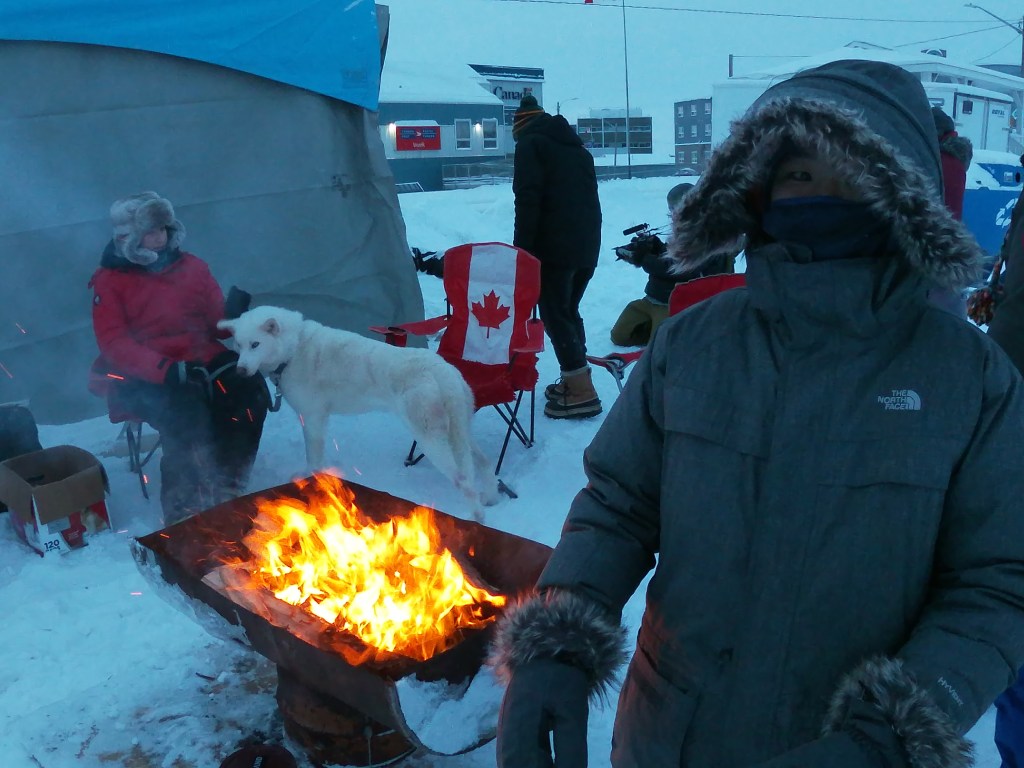
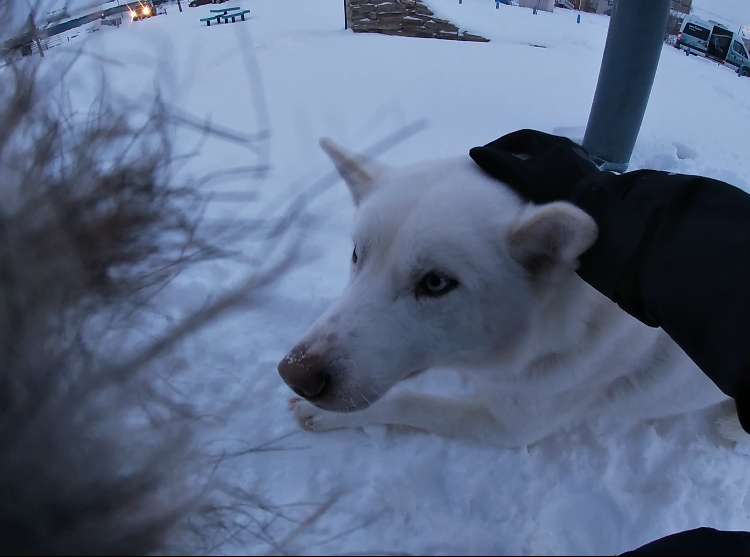
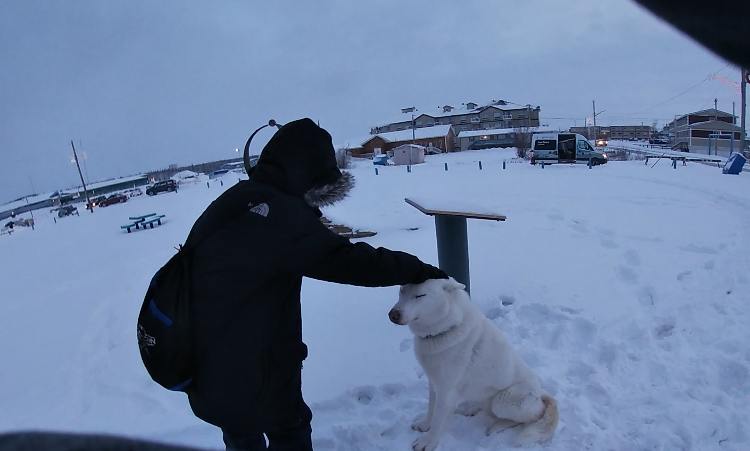
Also in the ice village, we finally got to pat the Siberian dog sledding huskies! They were so cute and fluffy. There were a free dog sledding event for kids. I wish I was tinier! But I will definitely try it in the future. The day ended by a family movie event in the sports complex with free popcorn and chocolate. We were all exhausted after three days of nonstop celebration.
Sunrise festival-2
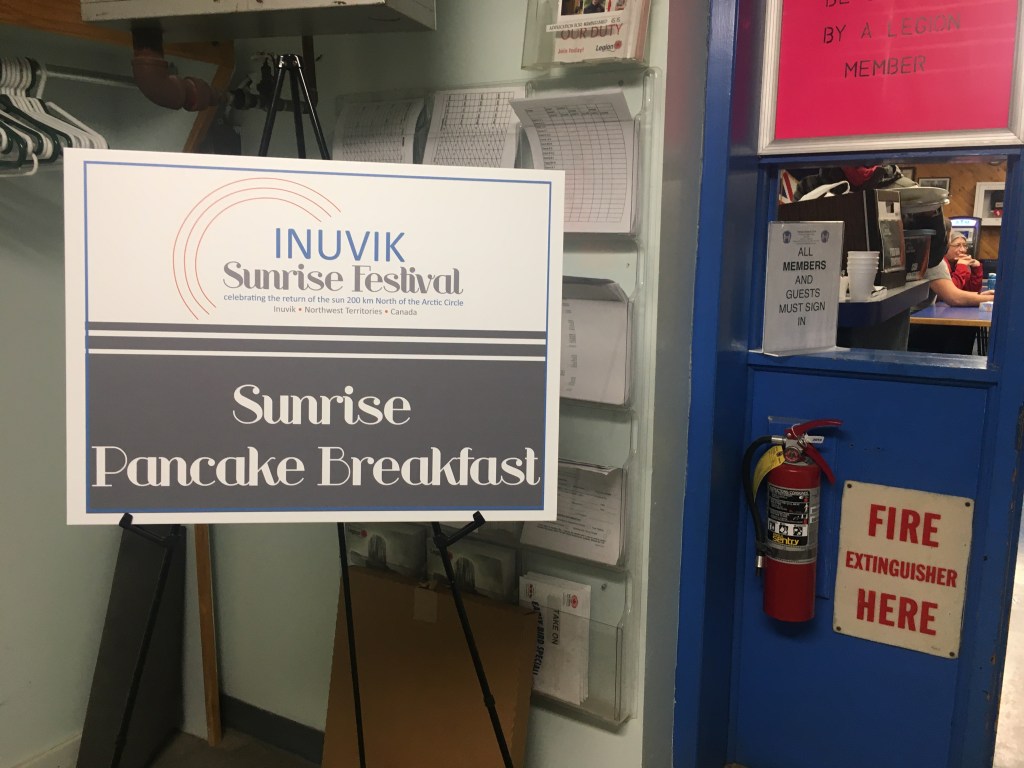
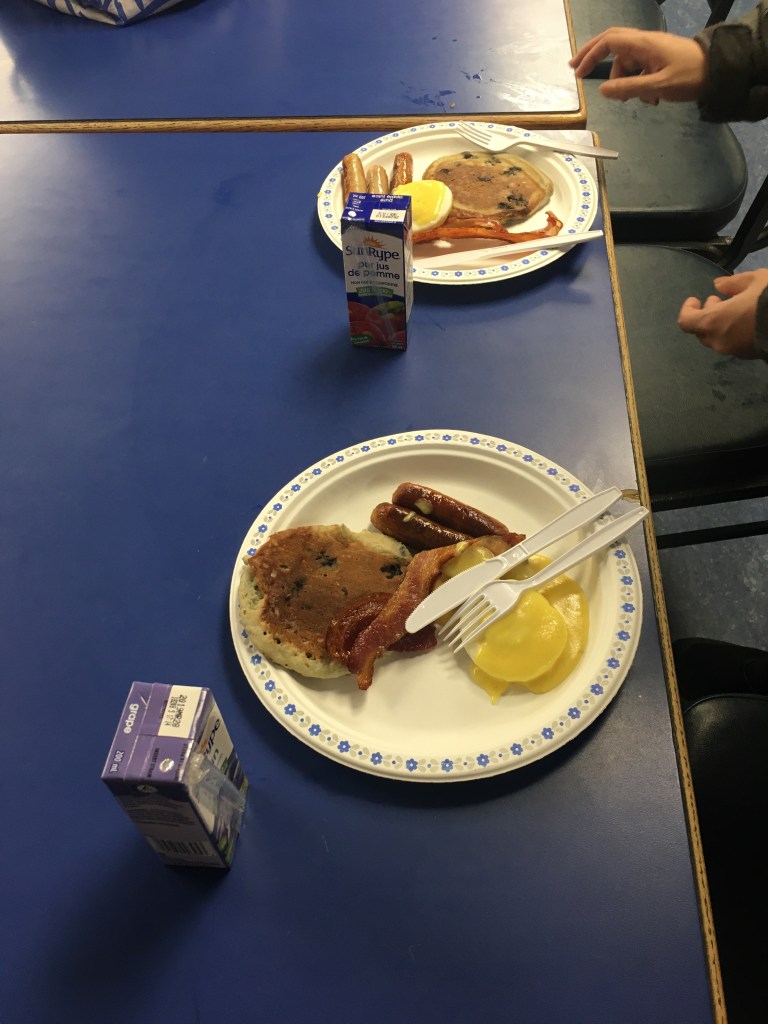
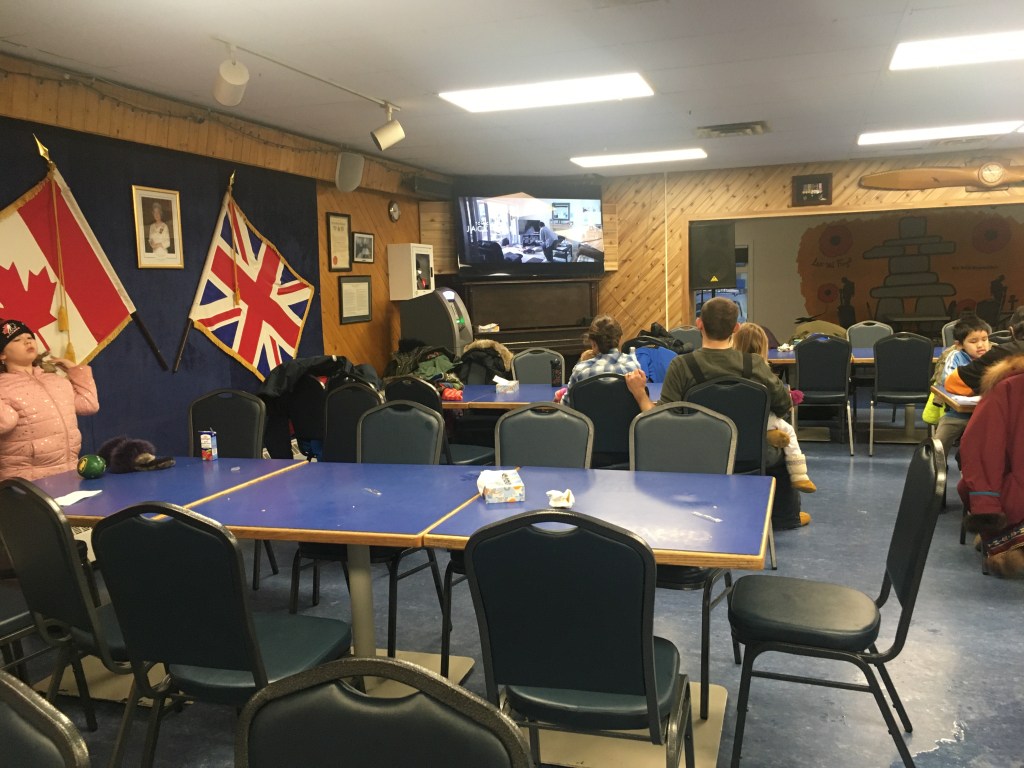
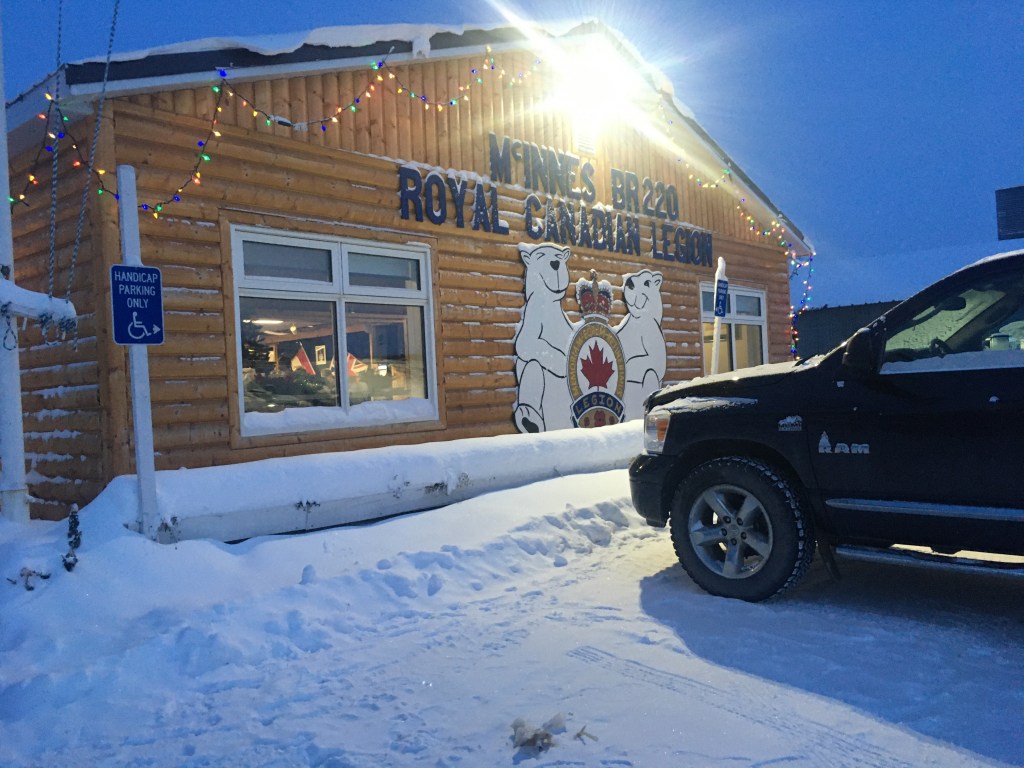
We started the second day of the festival by going to the free pancake breakfast provided by the Royal Canadian Mounted Police (RCMP). The breakfast was so filling and yummy. It’s always fun to eat with the community.
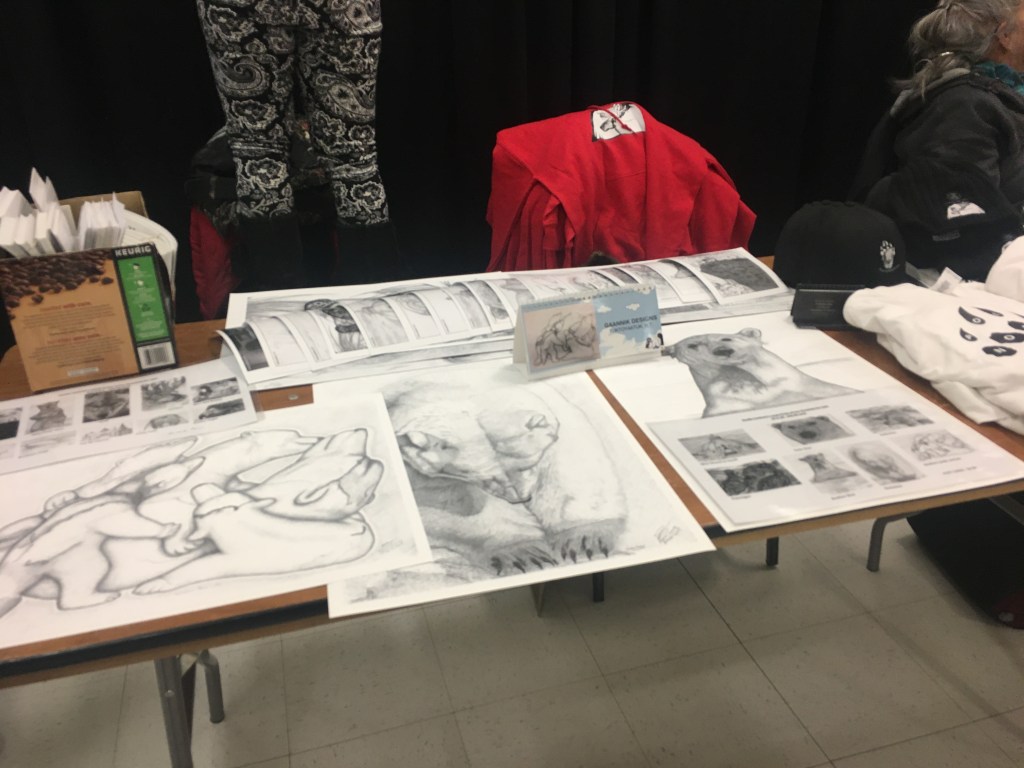
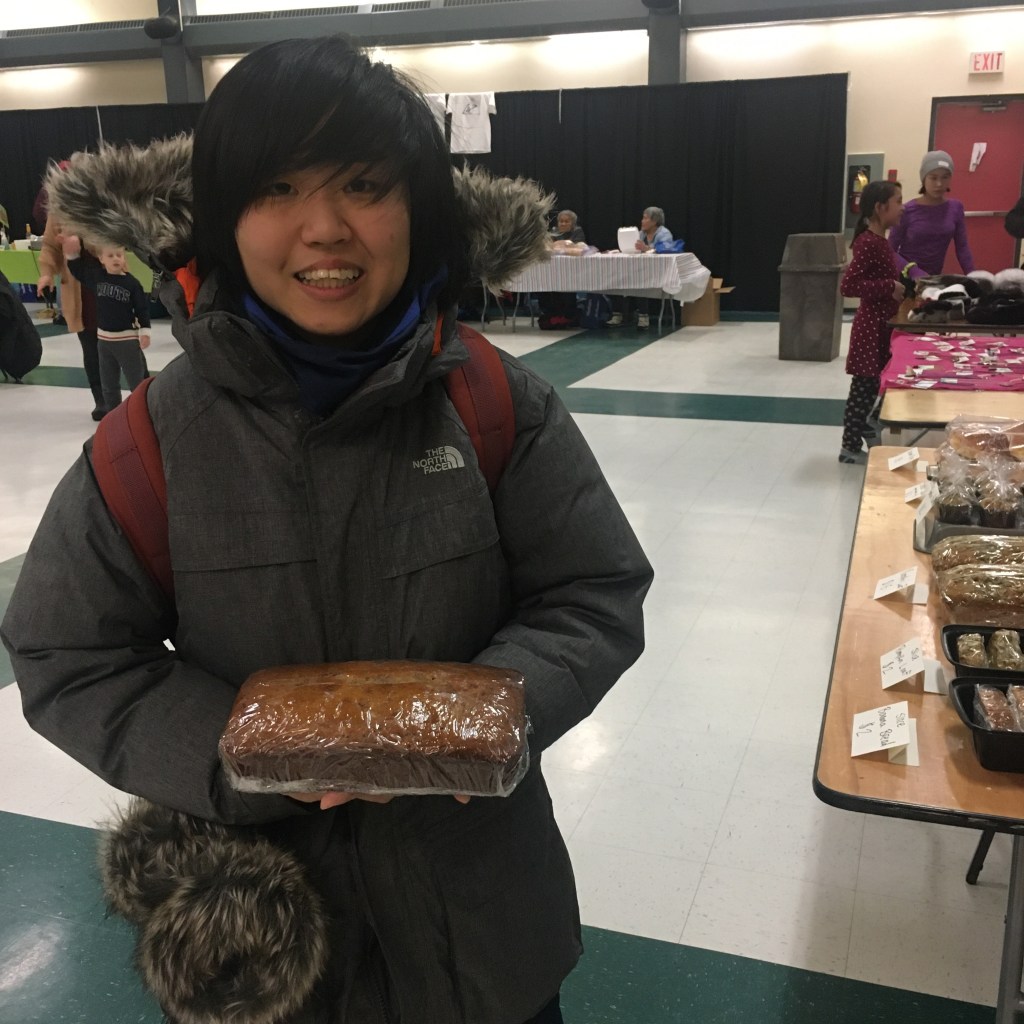
Next we went to the arctic market. The market sold a variety of hand made products and art. We decided to buy a loaf of banana bread and oh my it was delicious!
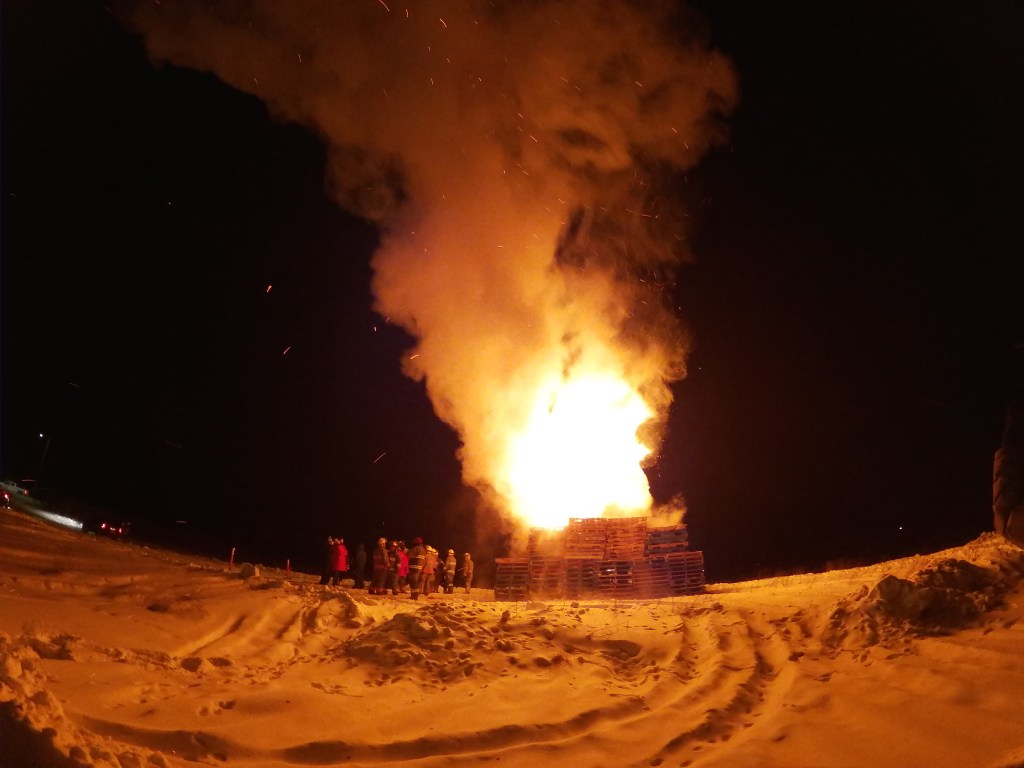
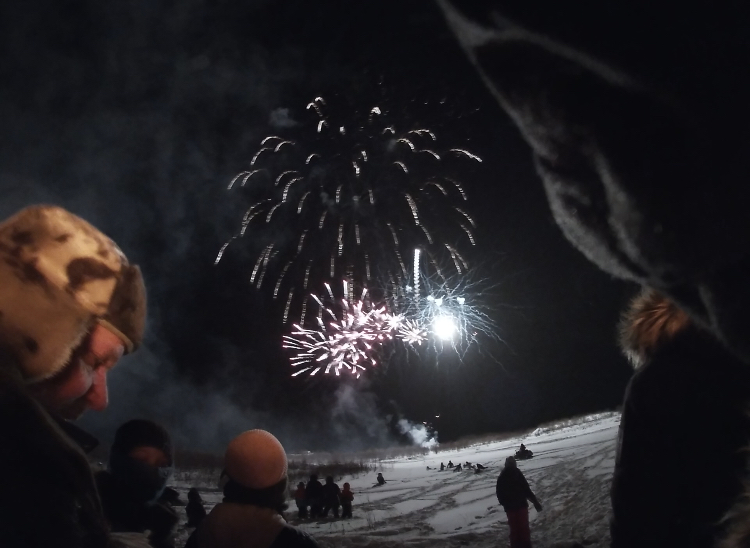
At night there were a giant bonfire and fireworks at the frozen lake. The firemen here are mostly volunteers in the community. This was the largest bonfire I’ve seen so far. It kept us warm and cozy while we were watching the spectacular firework show.
Sunrise festival – 1
In the arctic circle, the biggest festival is not the new year, but the celebration of sun rising again after a month of darkness. The Sunrise festival gathers people from all around the arctic communities and visitors in Inuvik to celebrate nonstop for three days till the sun rises.
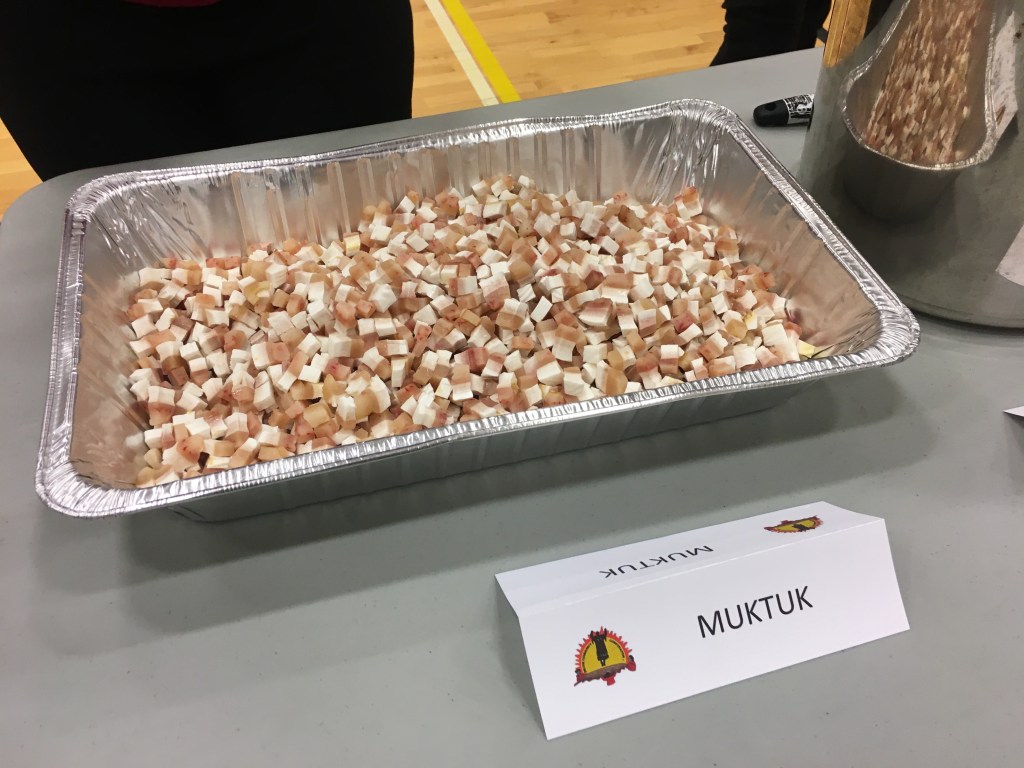
Today I finally got to try the traditional foods that the community generously shared in the Taste of Inuvik event. Muktuk is the local version of whale sashimi. The white part is the skin of whale which is full of collagen, the translucent red part is the whale fat. The taste of muktuk is rich and long lasting – reminds me of a sushi called engawa. My local friend told me they usually eat it with HP sauce or soy sauce, we took some home so we’ll try it with soy sauce and wasabi!
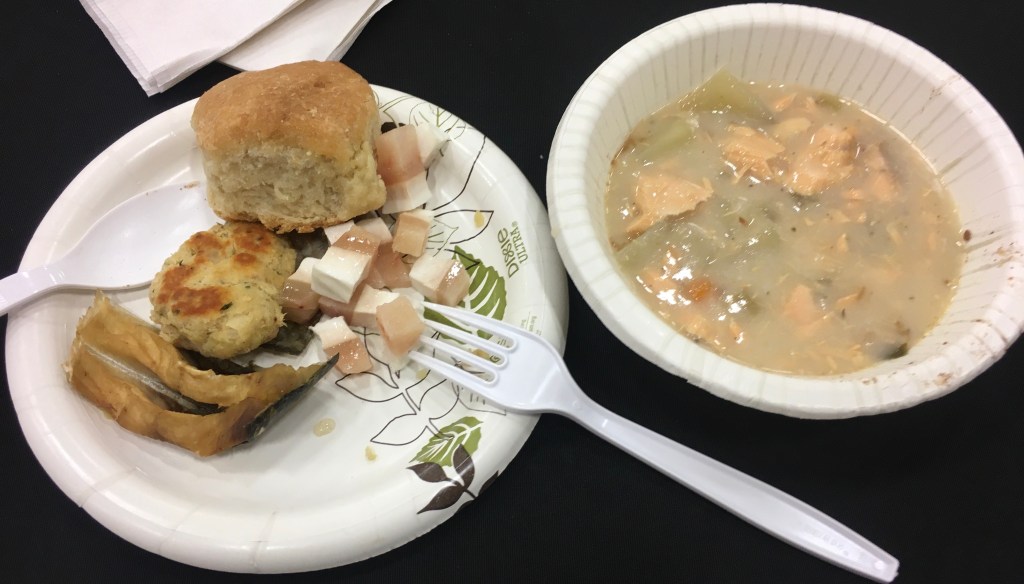
Reindeer stew is also very delicious. Its texture resembles lean beef but more tender and it has more iron. The fish dishes are made by wildly caught arctic white fish and again they are amazing.
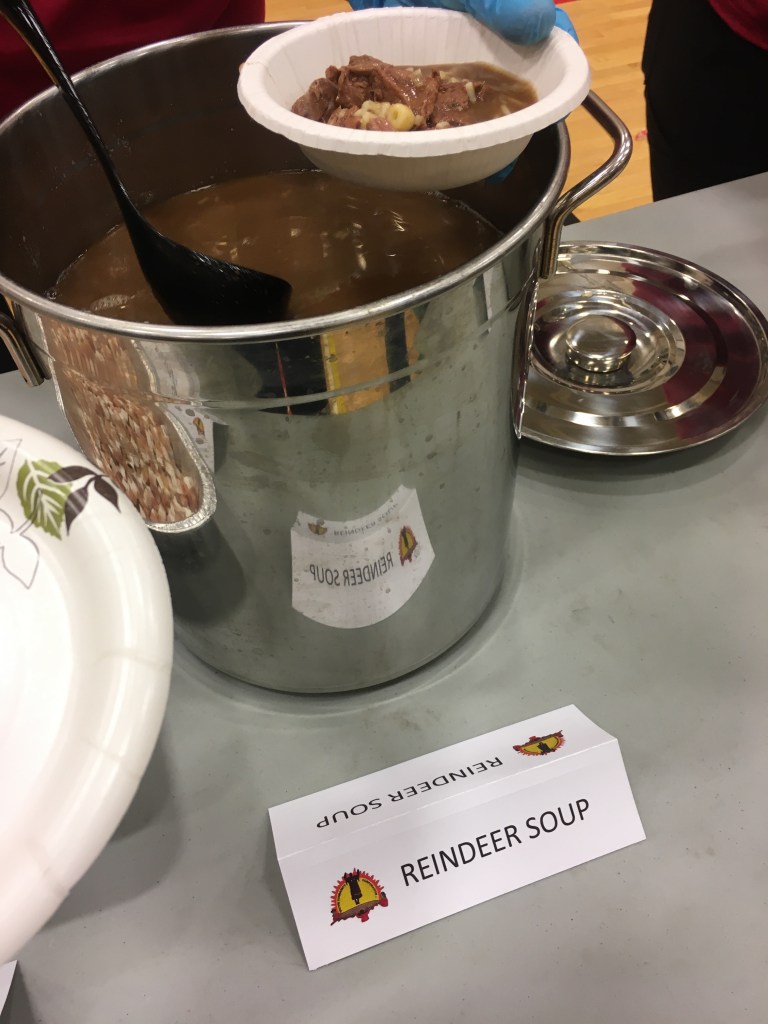
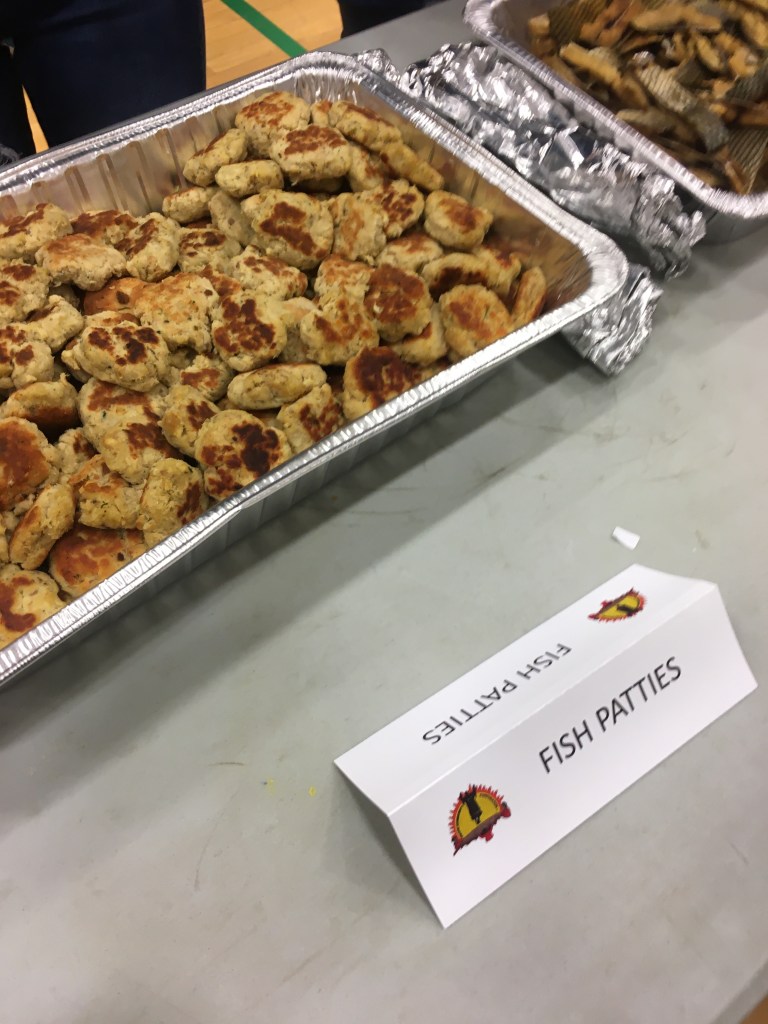
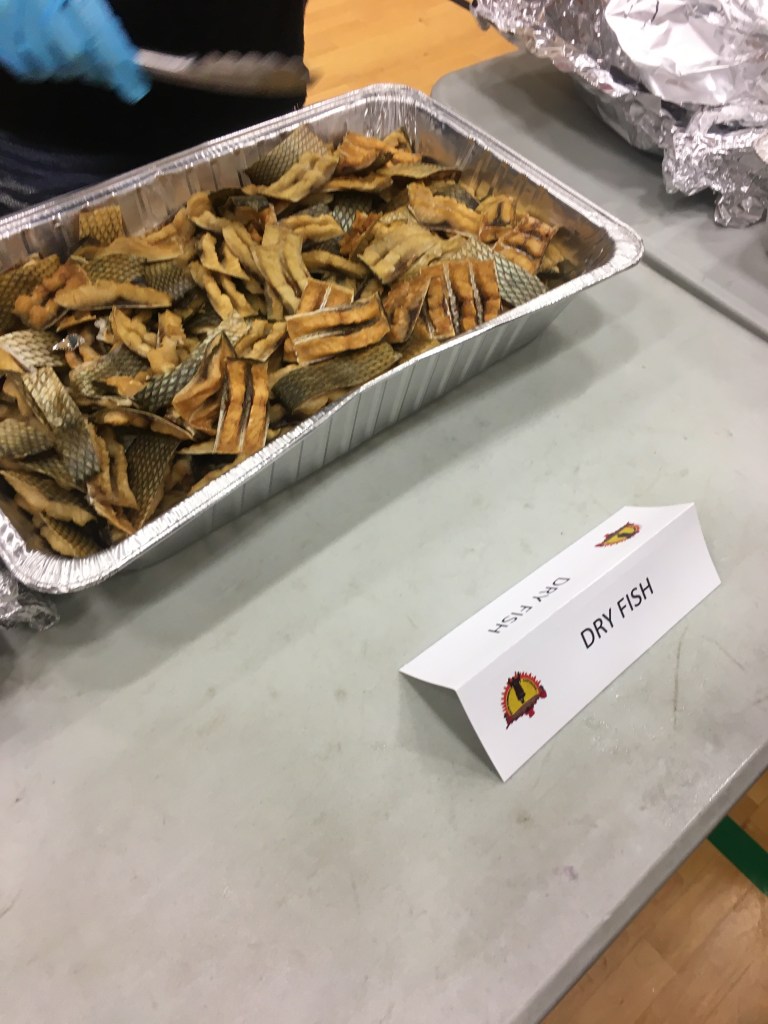
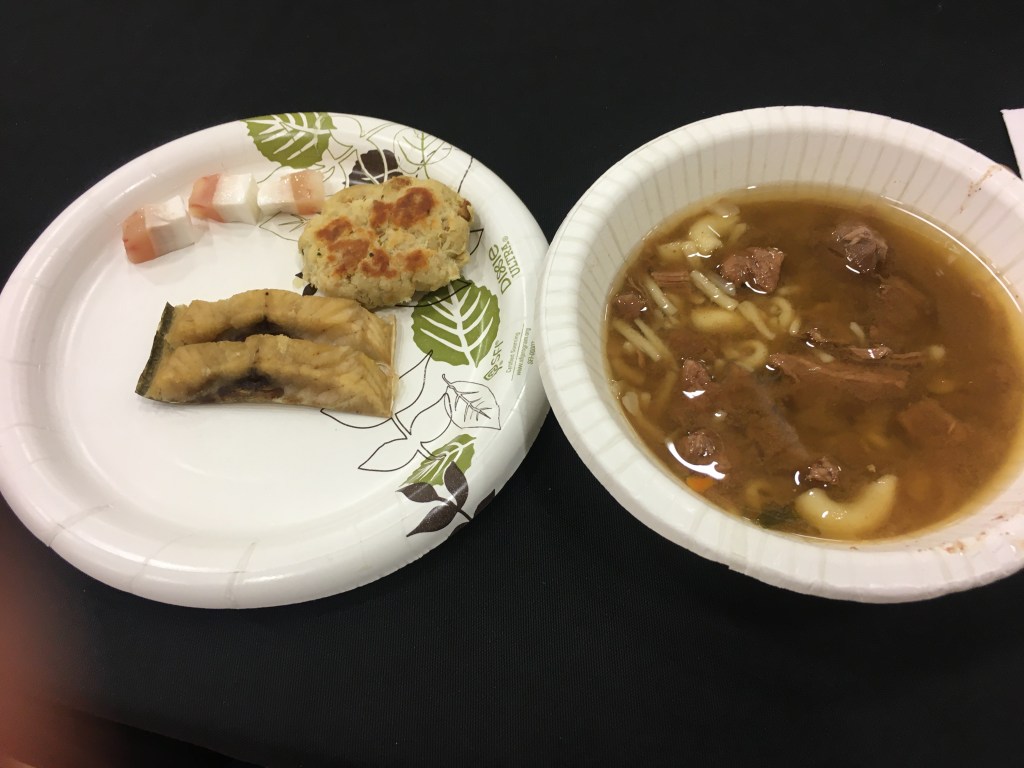
The reindeer, whale and fishes are all hunted and prepared by the locals. Non indigenous people are not allowed to hunt these animals, so it is very special for us to have this opportunity to try their delicacies.
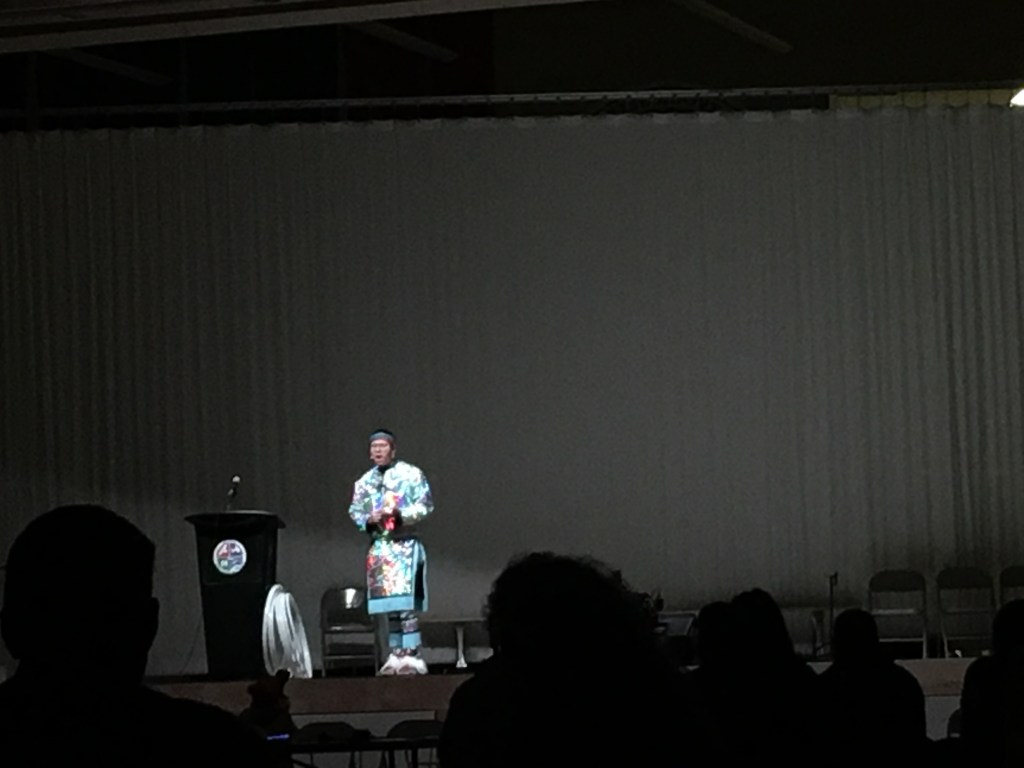
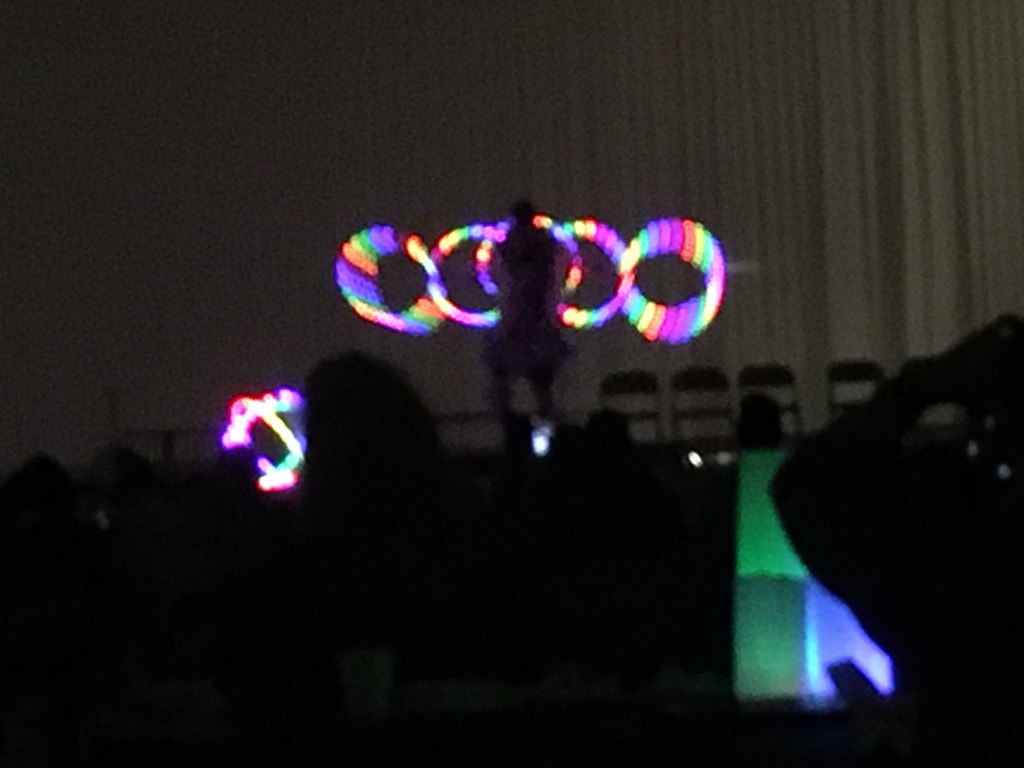
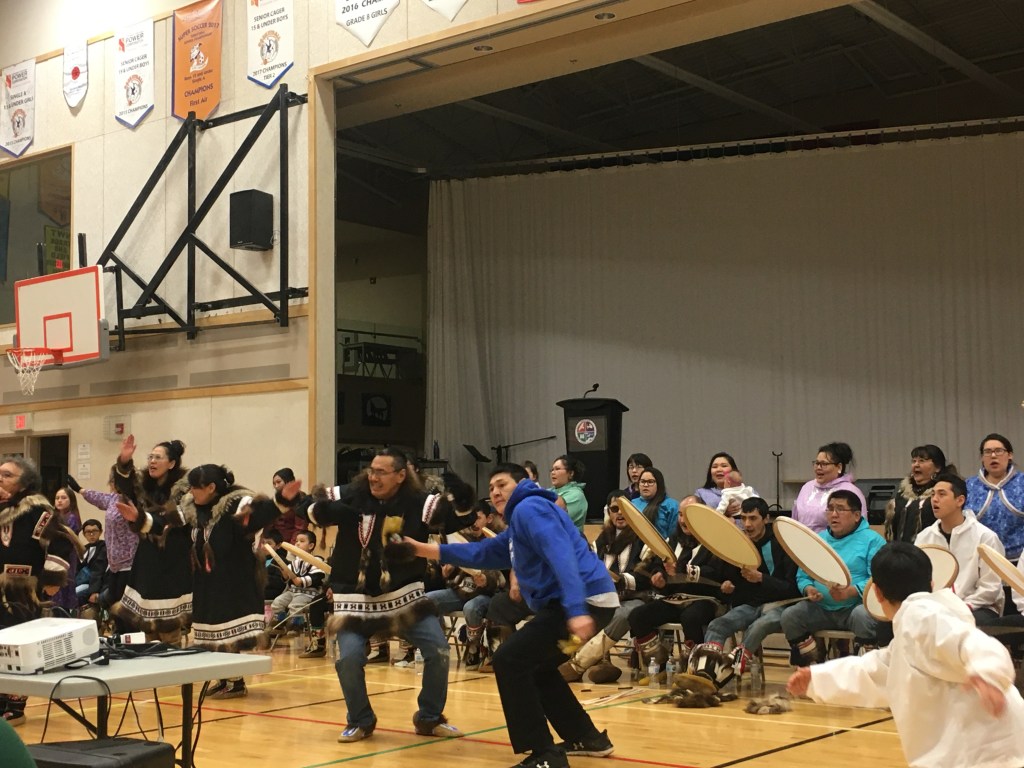
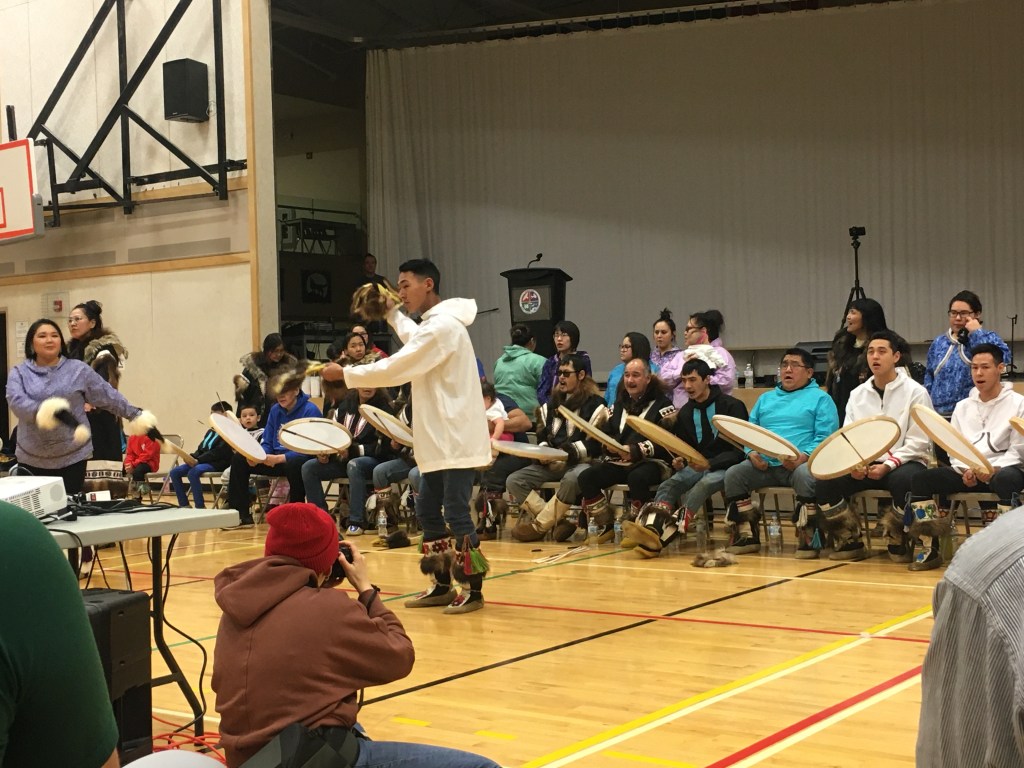
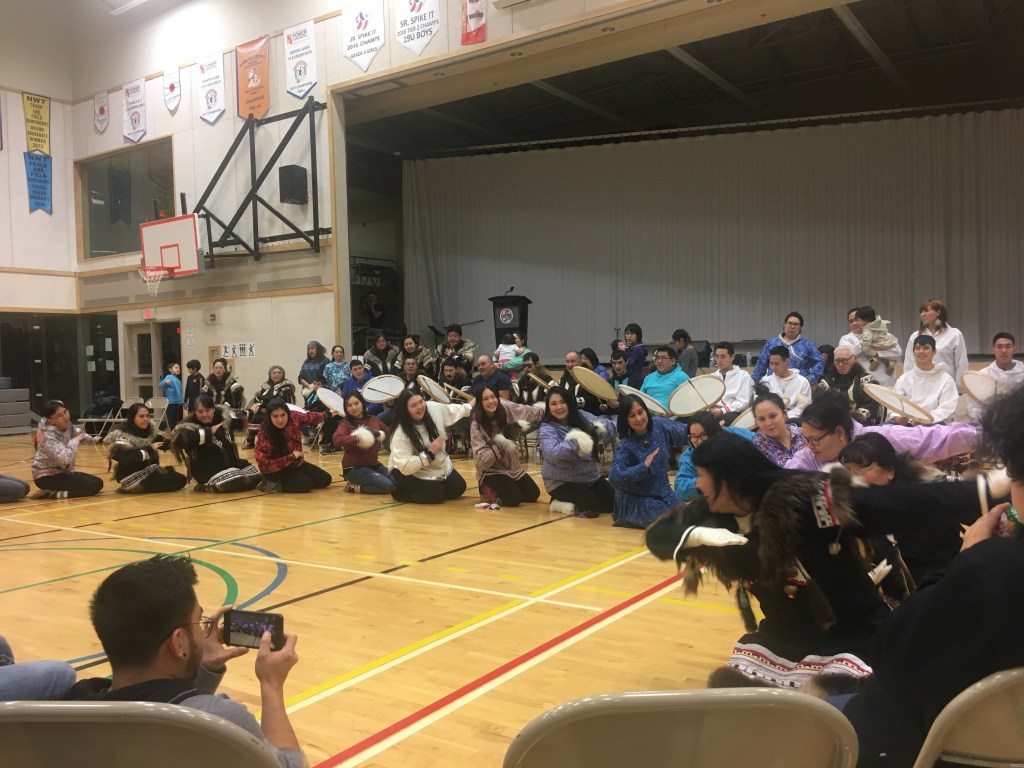
The dance performances were phenomenal and stunning. The hoop dance is a traditional dance from southern Canada, but the dancer used LED hoops and performed in the dark instead. There was also the arctic traditional drum dancing. It is a very powerful dance with a collective of members from all ages.
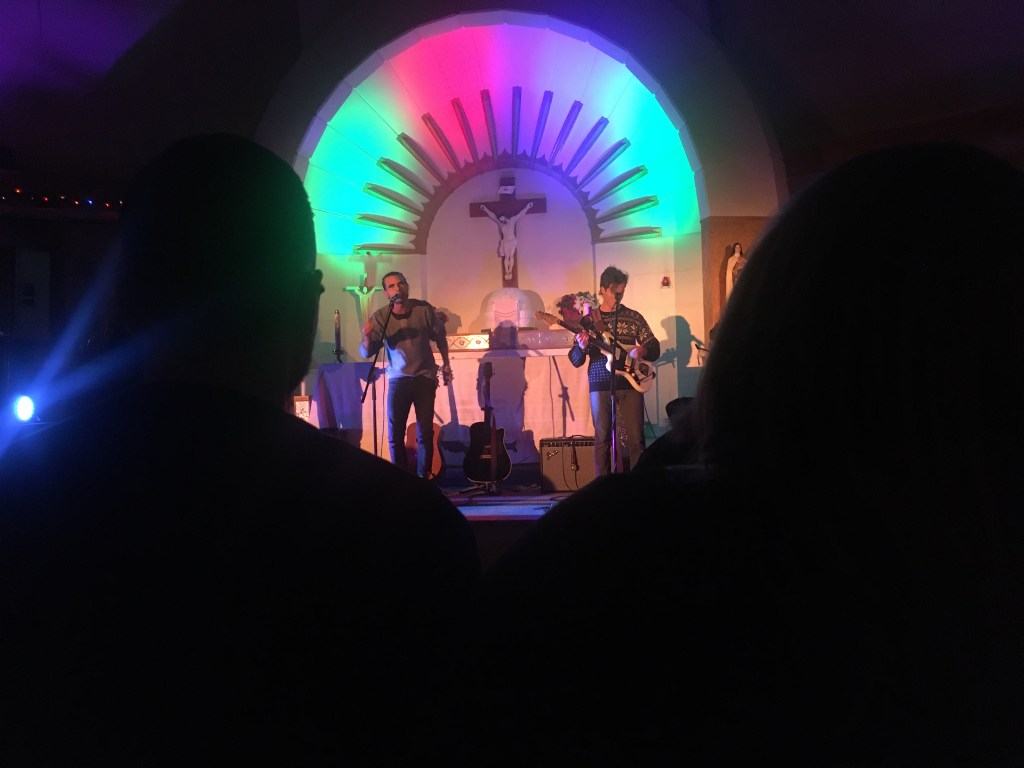
The last event today was a live music performance by Reuben and the Dark in the igloo church. I saw this indie band two years ago when I was in Toronto. What a surprise to see them in the arctic again! Tomorrow the schedule is also jam packed so I’m very excited for it!
 From North Point To North Pole